Education

Debunking Myths About Special Education

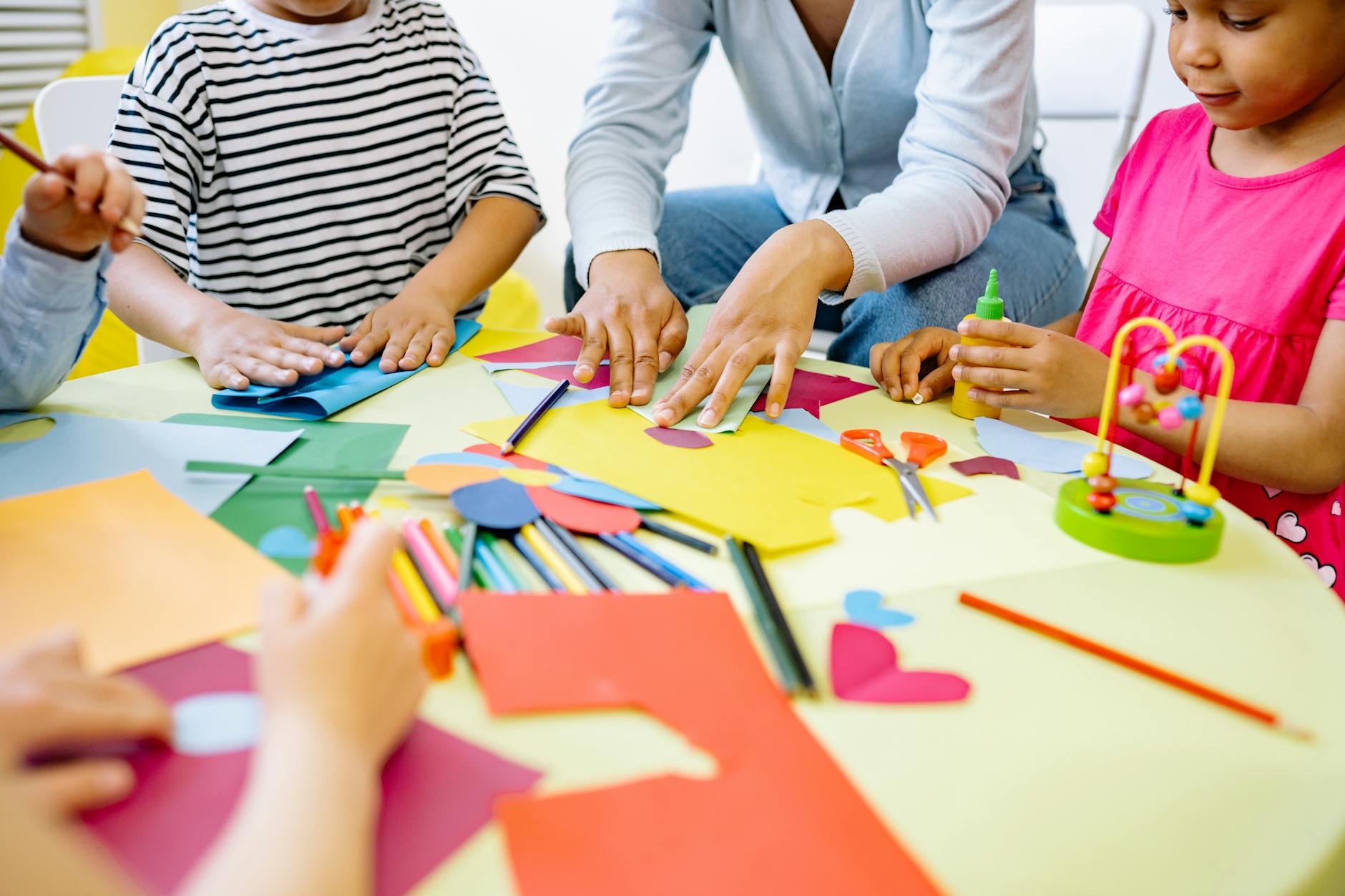
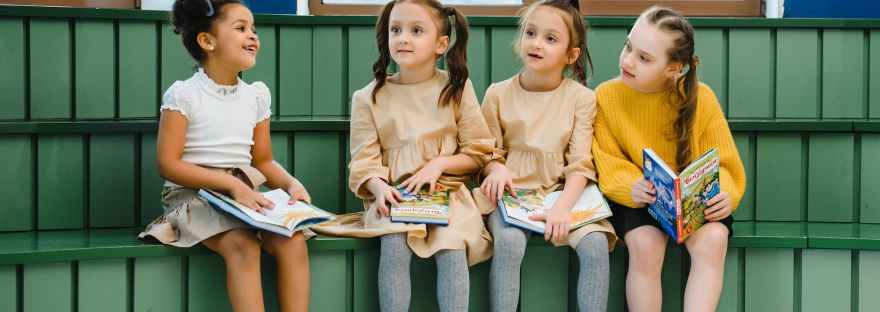
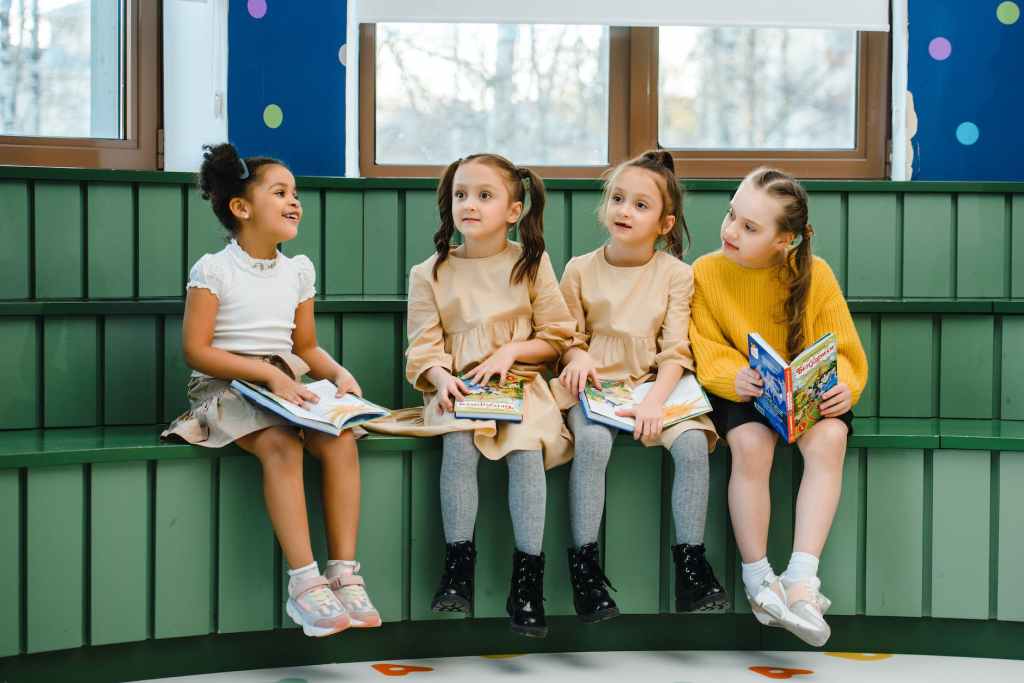
Photo by Anastasia Shuraeva on Pexels.com

Special education is one of the most misunderstood areas in education. Despite progress in inclusion and awareness, many myths about special education persist. These misconceptions can lead to unnecessary stigma, misunderstandings, and missed opportunities for students with disabilities. As a special education teacher with nearly two decades of experience, I want to shed light on some of these myths and share the reality behind them.

Myth #1: Special Education is Only for Students with Severe Disabilities

The Reality:

Special education is designed to meet the needs of a wide range of learners with diverse abilities and challenges. Students with learning disabilities, ADHD, autism, speech and language delays, and emotional or behavioral challenges, among others, may qualify for special education services. Some of these students have mild or invisible disabilities and simply need tailored instruction or accommodations to succeed.

Special education is not a “one-size-fits-all” program—it’s individualized for each student’s unique needs.

Myth #2: Students in Special Education Can’t Be Successful

The Reality:

This couldn’t be further from the truth! With the right support, students in special education can excel academically, socially, and personally. Many go on to pursue higher education, enter the workforce, and live fulfilling lives.

Success looks different for every student, and special education empowers students by helping them meet their goals, build confidence, and develop lifelong skills.

Myth #3: Special Education Teachers Just “Baby” Their Students

The Reality:

Special education teachers are highly trained professionals who use evidence-based strategies to teach academic, social, and life skills. We focus on helping students develop independence, self-advocacy, and problem-solving abilities.

It’s not about “babying” students; it’s about meeting them where they are and helping them grow. For example, we might break down complex tasks into manageable steps, provide visual supports, or teach students self-regulation techniques to help them thrive.

Myth #4: Inclusion is Harmful to General Education Students

The Reality:

Inclusive classrooms benefit all students. Research shows that when students with disabilities learn alongside their typically developing peers, everyone gains. Students without disabilities develop empathy, understanding, and collaboration skills.

Inclusive settings also reflect the diversity of the real world, preparing all students for life beyond the classroom. With proper planning and support, inclusion can be a win-win for everyone involved.

Myth #5: Students in Special Education Just Need to “Try Harder”

The Reality:

Students with disabilities are not lazy or unmotivated. They face challenges that require different approaches to learning. For instance, a student with dyslexia might struggle to read because their brain processes language differently, not because they aren’t trying.

Special education provides the tools, strategies, and accommodations to help students overcome these challenges and achieve their full potential.

Myth #6: Special Education is the Same as Tutoring

The Reality:

While tutoring focuses on reteaching specific content, special education addresses a student’s individual needs through specialized instruction. It might involve teaching foundational skills, using assistive technology, or adapting the curriculum to align with a student’s learning style.

Special education is about equipping students with the skills and strategies they need to succeed both in and outside the classroom.

Myth #7: Special Education is a “Life Sentence”

The Reality:

Receiving special education services does not mean a student will be in the program forever. Many students graduate from special education when they no longer need additional support. The goal is to help students become as independent as possible and to transition them out of special education services when appropriate.

Breaking the Stigma

Understanding the truths about special education is key to breaking the stigma and fostering a more inclusive society. By addressing these myths, we can create a school environment where all students feel valued, supported, and empowered to reach their potential.

If you’re a parent, teacher, or community member, I encourage you to learn more about special education and advocate for students with disabilities. Together, we can ensure that every child has the opportunity to succeed.
Education

Why I Love Being a Special Education Teacher

Teaching is more than a profession—it’s a calling, a journey, and an incredible privilege. For the past couple years, I’ve had the honor of working in special education at the elementary level, focusing on reading resource for kindergarten through second grade. When people ask me why I chose this path, my answer is simple: I love making a difference.

When I first dreamed about my future, I never imagined I’d become a special education teacher. Like many people, I had a vision of what my life and career would look like, and this wasn’t part of the plan. In fact, I stumbled into this field almost by chance—but it was the best thing that could have happened to me.

I started teaching with one idea of what I thought I was meant to do, but as I worked with students who needed extra support, I felt an undeniable pull toward special education. It wasn’t always easy at first. There were challenges I didn’t anticipate and moments of self-doubt, but as I got to know my students and saw the difference I could make in their lives, I realized I was exactly where I was meant to be.

Sometimes, life leads us down unexpected paths. What I’ve learned is that those detours often turn out to be the most rewarding journeys of all.

The Joy of Growth

One of the greatest blessings of being a special education teacher is witnessing the growth and progress of my students. Every milestone, no matter how small it may seem to others, is a victory worth celebrating. Whether it’s a student learning their first set of sight words or finally mastering a tricky sound, each moment reminds me of why I do what I do.

Building Strong Relationships

In special education, I get to work closely with students, parents, and colleagues to create individualized learning experiences. The relationships I’ve built with my students are incredibly rewarding. I love their unique personalities, the way they light up when they achieve something, and the trust we build over time. These connections extend beyond the classroom and become lifelong memories.

Fostering Confidence

One of my main goals is to help my students believe in themselves. Many of my students start with self-doubt, thinking they can’t keep up with their peers. But watching them discover their strengths, develop resilience, and gain confidence is one of the most fulfilling parts of my job. Seeing a child beam with pride because they’ve achieved something they once thought was impossible is a gift like no other.

Creativity and Problem-Solving

Special education teaching challenges me to think outside the box. Every child learns differently, and it’s my job to find ways to meet their unique needs. This has pushed me to be more creative and innovative in my teaching, always searching for new strategies and tools to help my students succeed.

Advocacy and Awareness

Being a special education teacher also means advocating for students who may not have a voice. I take pride in working to create an inclusive environment where every child feels valued and understood. Through this work, I hope to inspire others to see the potential in every child, regardless of their challenges.

A Career That’s More Than a Job

For me, teaching isn’t just a job—it’s my passion. It’s a chance to make a lasting impact on the lives of children and their families. It’s about celebrating progress, embracing challenges, and knowing that every day I have the opportunity to change someone’s world for the better.

To anyone considering a career in special education, I encourage you to take the leap. It’s a path filled with challenges, but the rewards are immeasurable. My students have taught me patience, resilience, and the power of unconditional love. I am endlessly grateful for the privilege of being their teacher.

Education, Products

Top Classroom Must-Haves for Teachers

Photo by Yan Krukau on Pexels.com

Creating an effective and engaging classroom environment is essential for both teachers and students. Having the right tools and supplies can make a significant difference in daily teaching and learning experiences. Here are the top 10 classroom must-haves for teachers, available on Amazon. These items will help you stay organized, keep your students engaged, and make your classroom a more efficient and enjoyable place to learn.

Mr. Sketch Scented Markers

Mr. Sketch Scented Markers make classroom activities fun and engaging. The vibrant colors and fun scents are perfect for art projects and creative assignments.

Key Benefits:

  • Bright, vivid colors
  • Scented for added fun
  • Durable and long-lasting

AmazonBasics Laminator Machine

A laminator is a must-have for preserving important documents, student artwork, and teaching materials. The AmazonBasics Laminator Machine is affordable and easy to use.

Key Benefits:

  • Heats up quickly
  • Works with various laminating pouch sizes
  • Compact and lightweight

Scotch Thermal Laminating Pouches

Pair your laminator with Scotch Thermal Laminating Pouches to keep your materials safe and durable.

Key Benefits:

  • Crystal clear finish
  • Protects documents from damage
  • Compatible with most laminating machines

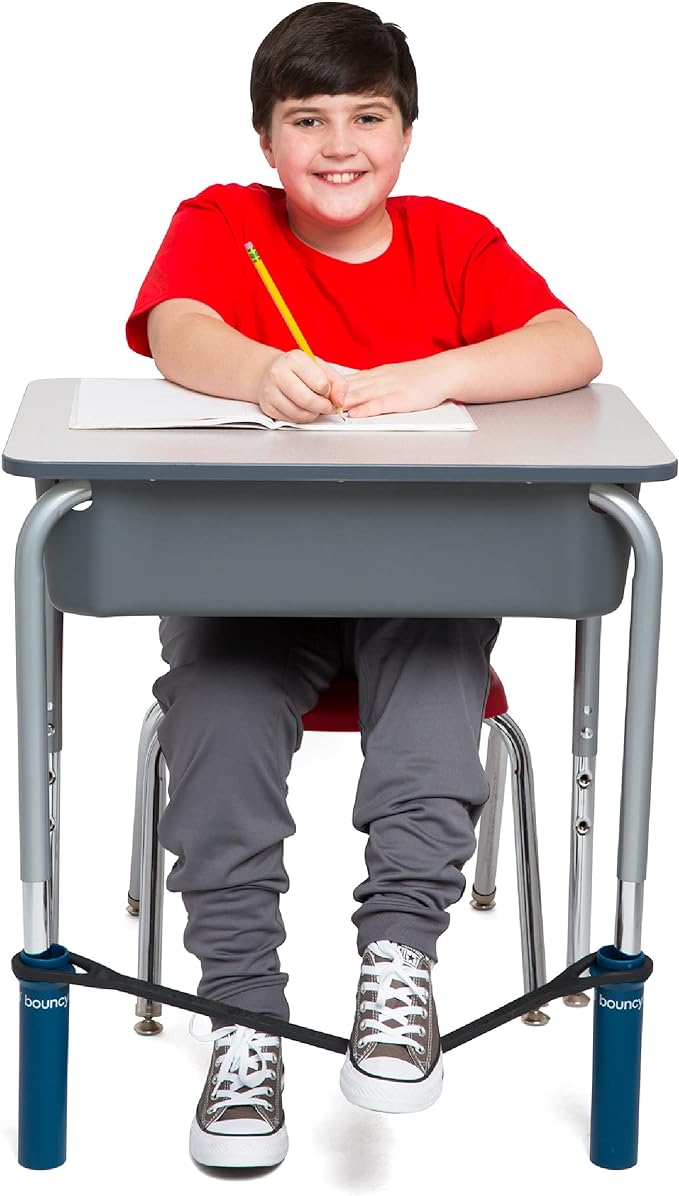
Bouncy Bands for Chairs

Bouncy Bands are an innovative solution for restless students. They attach to chair legs, allowing students to move their feet while staying seated.

Key Benefits:

  • Helps students focus
  • Easy to install
  • Durable and quiet

Time Timer Original 8-inch

A classroom timer is a useful tool for managing activities and keeping students on track during lessons and transitions.

Key Benefits:

  • Visual and auditory alerts
  • Easy to set and use
  • Portable and durable

Storex Large Book Bin, Assorted Colors, 6-Pack

Keep your classroom neat and organized with these versatile storage bins. They are perfect for storing books, supplies, and student work.

Key Benefits:

  • Stackable and durable
  • Variety of colors
  • Easy to label

Ticonderoga Pencils

Ticonderoga Pencils are known for their quality and reliability. They are a classroom staple for writing, drawing, and standardized tests.

Key Benefits:

  • High-quality wood and graphite
  • Easy to sharpen
  • Smooth writing experience

These top-rated classroom essentials from Amazon are designed to make your teaching experience more efficient and enjoyable. Whether you need tools for organization, student engagement, or lesson enhancement, these products have you covered. Happy teaching!


Disclosure: This post contains affiliate links. If you use these links to buy something, we may earn a commission at no additional cost to you. Thank you for supporting our blog!

Education

Honoring Our Everyday Heroes: Teacher Appreciation

Teachers play a pivotal role in shaping the minds and hearts of the next generation. They inspire, educate, and empower students to reach their full potential, often going above and beyond to make a difference in their lives. As we celebrate Teacher Appreciation Week, it’s time to shine a spotlight on these unsung heroes who dedicate their time, energy, and passion to nurturing young minds. In this blog post, we’ll explore the invaluable contributions of teachers and share heartfelt ways to show appreciation for their tireless efforts.

Teachers wear many hats—they are educators, mentors, counselors, and role models rolled into one. Take a moment to reflect on the profound impact teachers have on students’ academic achievements, personal growth, and future success. From instilling a love of learning to providing guidance and support, teachers play a vital role in shaping the leaders of tomorrow.

Teacher Appreciation Week is the perfect opportunity to express gratitude and appreciation for the hard work and dedication of teachers. Take the time to write a heartfelt thank-you note, send a thoughtful email, or create a personalized message expressing your appreciation for a teacher who has made a positive impact in your life or your child’s life. Simple gestures of gratitude can go a long way in brightening a teacher’s day and reminding them of the profound difference they make.

Teachers often go above and beyond to ensure their students’ success, and it’s essential to celebrate their achievements and milestones along the way. Take the time to acknowledge and celebrate teachers’ accomplishments, whether it’s reaching a career milestone, receiving an award, or making a significant impact in the community. Organize a special recognition ceremony, host a celebratory luncheon, or create a commemorative keepsake to honor their dedication and contributions.

Show your support for teachers by advocating for policies and initiatives that prioritize their well-being, professional development, and classroom needs. Invest in resources and tools that enhance teachers’ ability to deliver quality education and create engaging learning experiences for their students. Whether it’s funding for classroom supplies, access to professional development opportunities, or support for mental health and wellness, providing resources and support is essential for empowering teachers to thrive.

Teacher appreciation should extend beyond Teacher Appreciation Week and become an integral part of school culture year-round. Encourage students, parents, administrators, and the community to actively participate in showing appreciation for teachers through ongoing gestures of gratitude, recognition, and support. Foster a culture of appreciation where teachers feel valued, respected, and empowered to continue making a difference in the lives of their students.

    As we celebrate Teacher Appreciation Week, let’s take the time to honor and celebrate the remarkable contributions of teachers who dedicate their lives to shaping the future. Whether it’s a simple thank-you note, a heartfelt gesture of appreciation, or advocating for their needs and well-being, let’s show our gratitude for the everyday heroes who inspire, educate, and empower generations to come. Together, let’s celebrate the extraordinary impact of teachers and create a world where their contributions are truly valued and celebrated.

    [Note: Adapt and personalize these ideas to fit the unique needs and culture of your school community.]

    Education, Mom Life

    Nurturing Empathy: Fostering Social-Emotional Skills in Children

    Photo by Anastasia Shuraeva on Pexels.com


    In today’s fast-paced and often disconnected world, the importance of empathy and social-emotional skills cannot be overstated. As parents and educators, it’s crucial to cultivate these essential qualities in children from a young age to help them navigate relationships, understand others’ perspectives, and contribute positively to society. In this blog post, we’ll explore the importance of teaching empathy and share practical strategies for fostering social-emotional skills in children.

    Why Empathy Matters:
    Empathy is the ability to understand and share the feelings of others. It’s a fundamental aspect of social-emotional intelligence and plays a key role in building strong relationships, resolving conflicts, and promoting cooperation and kindness. Research has shown that children who possess strong empathy skills are more likely to succeed academically, have healthier relationships, and exhibit pro-social behaviors.

    Strategies for Teaching Empathy:

    1. Model Empathetic Behavior:
      Children learn by example, so it’s essential for adults to model empathetic behavior in their interactions with others. Show empathy towards your child, peers, and strangers alike, and explain your thought process behind your actions. For example, “I noticed your friend was feeling sad, so I asked if they wanted to play together to cheer them up.”
    2. Encourage Perspective-Taking:
      Help children understand that everyone experiences the world differently by encouraging perspective-taking activities. This can include role-playing scenarios, reading books from diverse perspectives, or discussing real-life situations from multiple viewpoints. Encourage questions like, “How do you think your friend felt when you shared your toy with them?”
    3. Teach Active Listening:
      Effective communication is a cornerstone of empathy. Teach children the importance of active listening by encouraging them to pay attention to others, maintain eye contact, and ask clarifying questions. Practice reflective listening by paraphrasing others’ thoughts and feelings to show understanding and validation.
    4. Foster Emotional Literacy:
      Emotional literacy involves recognizing and understanding one’s own emotions as well as those of others. Provide children with vocabulary to express their feelings and teach them to identify emotions in themselves and others. Create a “feelings chart” with pictures or words representing different emotions and discuss situations that might elicit those feelings.
    5. Promote Acts of Kindness:
      Encourage children to engage in acts of kindness towards others, whether it’s sharing toys, offering compliments, or helping a friend in need. Celebrate and acknowledge these acts of kindness to reinforce their importance and encourage continued prosocial behavior.


    By prioritizing the development of empathy and social-emotional skills in children, we can help cultivate a generation of compassionate, resilient, and socially responsible individuals. Through modeling empathetic behavior, encouraging perspective-taking, teaching active listening, fostering emotional literacy, and promoting acts of kindness, we can empower children to navigate the complexities of human relationships with empathy and understanding. Together, let’s create a more empathetic and compassionate world, one child at a time.

    Education, Mom Life

    Embracing Neurodiversity: Understanding Autism

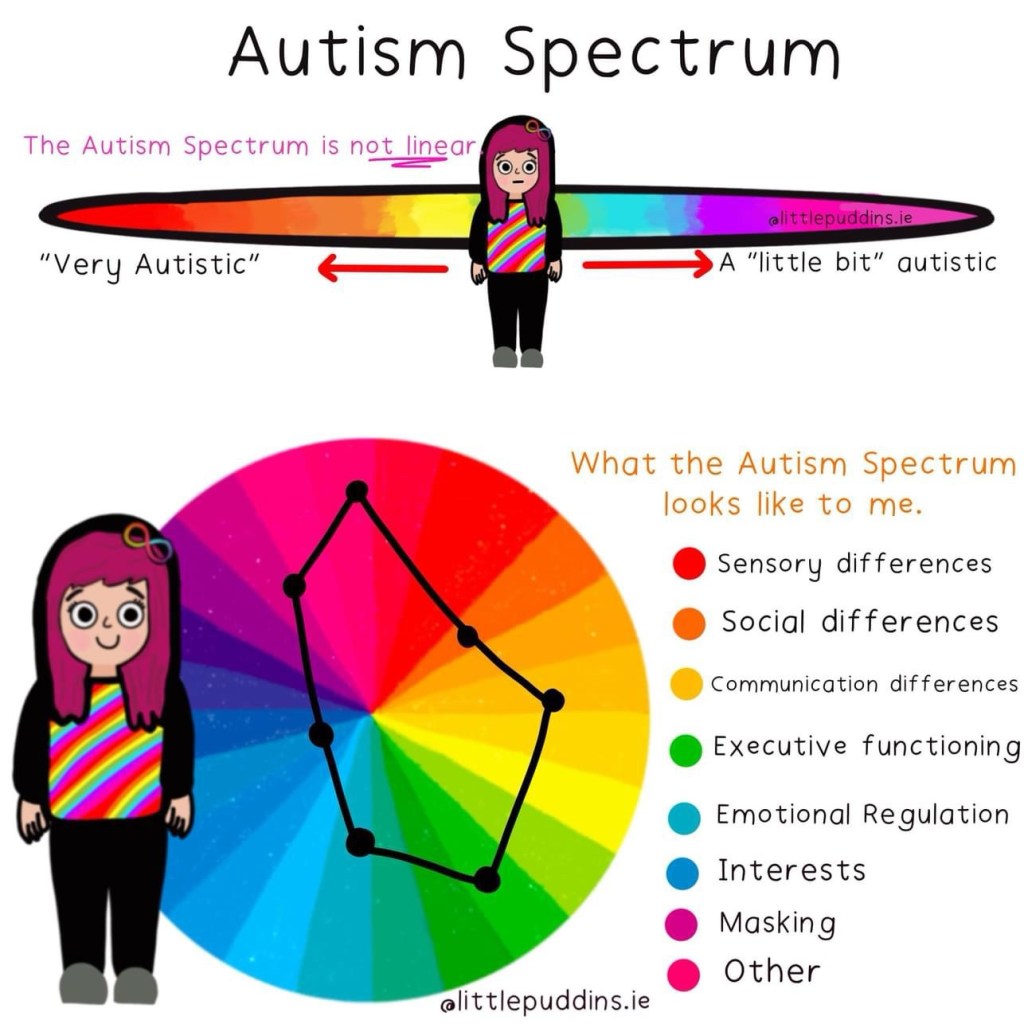
    Autism, also known as Autism Spectrum Disorder (ASD), is a neurodevelopmental condition that affects how individuals perceive the world and interact with others. With a wide range of strengths and challenges, autism is a unique expression of human diversity that deserves understanding, acceptance, and support.

    What is Autism Spectrum Disorder?

    Autism Spectrum Disorder encompasses a spectrum of conditions characterized by challenges with social communication, repetitive behaviors, and restricted interests. It affects individuals differently, with some exhibiting exceptional abilities in areas such as math, music, or art, while others may struggle with sensory sensitivities, social interactions, or verbal communication.

    Breaking Down Misconceptions

    Despite increased awareness in recent years, misconceptions about autism still persist. One common misconception is that all individuals with autism are nonverbal or have intellectual disabilities. In reality, autism is a diverse spectrum, and each person’s experience is unique. Some individuals with autism may have exceptional verbal skills, while others may face challenges with communication.

    Another misconception is that autism is solely a childhood condition. While symptoms often appear in early childhood, autism is a lifelong condition that continues to influence individuals into adulthood. With the right support and accommodations, individuals with autism can lead fulfilling and meaningful lives.

    Understanding Strengths and Challenges

    Autism is not solely defined by its challenges; it is also characterized by unique strengths and abilities. Many individuals with autism possess remarkable talents and perspectives that enrich our society. Whether it’s a talent for pattern recognition, an intense focus on detail, or a creative imagination, these strengths contribute to the diversity of human experience.

    However, individuals with autism may also face various challenges, including difficulties with social communication, sensory sensitivities, and navigating change. These challenges can impact daily life and may require accommodations and support to overcome.

    Creating an Inclusive Society

    Creating an inclusive society starts with understanding and accepting neurodiversity, including autism. By embracing the unique perspectives and talents of individuals with autism, we can build a more compassionate and inclusive world for all.

    This includes providing access to educational and employment opportunities, promoting acceptance and understanding in our communities, and advocating for policies that support the rights and needs of individuals with autism.

    Supporting Individuals with Autism

    Supporting individuals with autism requires a multi-faceted approach that addresses their unique strengths, challenges, and preferences. This may include access to therapies such as applied behavior analysis (ABA) or speech therapy, accommodations in educational and workplace settings, and community resources for social support and inclusion.

    Above all, it’s essential to listen to and respect the voices of individuals with autism, amplifying their experiences and advocating for their needs. By working together, we can create a world where individuals with autism are valued, included, and empowered to reach their full potential.

    Education, Life

    Vital Importance of Teacher Self-Care

    As educators, our days are often a whirlwind of lessons, assessments, meetings, and the myriad of responsibilities that come with shaping young minds. In the hustle and bustle of our profession, we sometimes forget the most critical lesson: the importance of teacher self-care. Self-care is vital for educators and offer practical tips to help you prioritize your well-being.

    The Unsung Heroes of Education: Teachers

    Teachers are often described as heroes in the world of education, and rightfully so. They inspire, guide, and empower the next generation. However, even heroes need time to recharge their superpowers. Here’s why teacher self-care is so crucial:

    1. Compassion Fatigue: Teachers are empathetic by nature, but the emotional toll of supporting students through challenges can lead to compassion fatigue. Without self-care, burnout can loom.

    2. Model for Students: We teach our students the value of self-care, both implicitly and explicitly. By practicing it ourselves, we set a powerful example.

    3. Improved Classroom Atmosphere: When educators are physically and mentally well, the classroom environment is more positive and productive. Students benefit from a teacher who is at their best.

    Practical Teacher Self-Care Tips

    Now that we’ve established why self-care is crucial, let’s dive into some practical tips to make it an integral part of your routine:

    1. Prioritize Sleep: Aim for 7-9 hours of quality sleep per night. A well-rested teacher is more patient, creative, and effective.

    2. Set Boundaries: Establish clear boundaries between work and personal life. Avoid bringing work home regularly.

    3. Practice Mindfulness: Incorporate mindfulness techniques into your day, such as meditation, deep breathing, or short mindful pauses.

    4. Connect with Colleagues: Build a supportive network of fellow educators. Share experiences, challenges, and triumphs.

    5. Pursue Hobbies: Engage in activities that bring you joy and relaxation outside of the classroom. Whether it’s painting, hiking, or playing an instrument, nurturing your interests is essential.

    6. Exercise Regularly: Physical activity releases endorphins, reducing stress and boosting mood. Find a fitness routine that suits your preferences and schedule.

    7. Seek Professional Support: Don’t hesitate to reach out to a counselor or therapist if you’re struggling with the demands of teaching. It’s a sign of strength, not weakness.

    8. Plan Regular Breaks: Make the most of school holidays and weekends to rest and rejuvenate. Avoid overloading your schedule during these times.

    9. Practice Gratitude: Keep a gratitude journal to remind yourself of the positive aspects of your job and life. Reflecting on what you’re thankful for can boost your well-being.

    10. Learn to Say No: It’s okay to decline additional responsibilities when you’re feeling overwhelmed. Saying no to extra tasks is saying yes to your self-care.

    Remember that self-care is not selfish; it’s a necessity. By taking care of yourself, you become a better educator, role model, and advocate for your students. Prioritize self-care, and watch as your teaching journey becomes more rewarding and sustainable. After all, the best teachers are those who also take good care of themselves.

    Education

    Bridging the Gap: Strategies for Addressing Learning Gaps in the Classroom

    In every classroom, students come with diverse backgrounds, abilities, and prior knowledge. As an educator, it is crucial to recognize and address learning gaps to ensure that all students have an equal opportunity to succeed. By implementing effective strategies, teachers can bridge these gaps and provide targeted support to help students catch up and thrive academically. There are various approaches and techniques to address learning gaps in the classroom.

    1. Identifying Learning Gaps: To effectively address learning gaps, teachers must first identify them. This can be done through formative assessments, analyzing student work, and observing students’ understanding during classroom activities. By understanding where students are struggling, teachers can develop a targeted plan to address those specific areas.
    2. Differentiating Instruction: One of the key strategies for addressing learning gaps is through differentiated instruction. This approach involves tailoring instruction to meet the individual needs of students. Teachers can provide additional support or challenging activities based on students’ specific needs. Differentiated instruction allows students to progress at their own pace and ensures that they receive the necessary support to bridge their learning gaps.
    3. Small-Group Instruction: Implementing small-group instruction can be highly effective in addressing learning gaps. Teachers can create small groups based on similar areas of need and provide focused instruction to these groups. This approach allows teachers to provide targeted interventions and support while promoting collaboration among students.
    4. Individualized Learning Plans: For students with significant learning gaps, developing individualized learning plans (ILPs) can be beneficial. ILPs outline specific goals, strategies, and accommodations to help students make progress. These plans can involve personalized instruction, extra practice, or additional resources tailored to the individual student’s needs.
    5. Utilizing Technology: Technology can play a significant role in addressing learning gaps. Educational apps, online resources, and adaptive learning platforms can provide personalized and interactive learning experiences. Teachers can leverage technology to deliver targeted instruction, provide additional practice opportunities, and offer immediate feedback to students.
    6. Collaborative Learning: Peer collaboration can be a powerful tool in addressing learning gaps. Teachers can facilitate cooperative learning activities where students work together to solve problems, explain concepts to each other, and learn from their peers. This approach fosters a supportive classroom community and allows students to learn from diverse perspectives.
    7. Ongoing Formative Assessment: Regular formative assessment is crucial for monitoring students’ progress and identifying persistent learning gaps. By collecting and analyzing data, teachers can adjust their instructional strategies and provide timely interventions. Ongoing assessment helps to ensure that students are continually supported in their learning journey.

    Addressing learning gaps is a critical responsibility of educators. By implementing targeted strategies, such as differentiated instruction, small-group instruction, individualized learning plans, and leveraging technology, teachers can provide the necessary support for students to bridge their learning gaps. It is essential to foster a supportive and inclusive learning environment where all students have the opportunity to succeed and reach their full potential. By addressing learning gaps, we can empower our students to become confident, lifelong learners.

    Education

    7 Effective Strategies for Supporting Students with Special Needs in the Classroom

    As teachers, it is important to create a supportive and inclusive learning environment for all students, including those with special needs. It can be challenging to provide the necessary support and accommodations, but with the right strategies, teachers can create an environment that meets the needs of all learners. In this blog post, we will explore some strategies for supporting students with special needs.

    1. Collaborate with Special Education Teachers and Other Professionals Collaboration is key when it comes to supporting students with special needs. Regular communication with special education teachers and other professionals, such as speech therapists and occupational therapists, can help ensure that all students receive the support they need. It is also important to involve parents or guardians in the collaboration process.
    2. Provide Accessible Instructional Materials Students with special needs may require different types of instructional materials or assistive technology to access the curriculum. Providing accessible instructional materials, such as audio books or braille, can help these students succeed.
    3. Use Multi-Sensory Instruction Multi-sensory instruction engages multiple senses, such as sight, sound, and touch, to help students learn. This approach can be particularly effective for students with special needs, such as those with learning disabilities or autism. For example, using manipulatives or visual aids can help students better understand concepts.
    4. Differentiate Instruction Differentiated instruction involves tailoring instruction to meet the needs of individual students. This approach can be particularly effective for students with special needs, who may require different types of instruction or accommodations. For example, providing extra time for assignments or breaking down complex tasks into smaller, more manageable steps can be helpful.
    5. Use Positive Reinforcement Positive reinforcement can be an effective strategy for motivating students with special needs. Praise and rewards, such as stickers or extra recess time, can help reinforce positive behaviors and encourage students to continue working hard.
    6. Create a Structured Environment A structured environment can help students with special needs feel more secure and comfortable. Creating a predictable routine and consistent expectations can help students know what to expect and reduce anxiety.
    7. Foster a Positive Classroom Culture Creating a positive classroom culture can help all students, including those with special needs, feel valued and included. Encouraging teamwork, empathy, and respect can help students build relationships and feel more connected to their classmates.

    Supporting students with special needs requires a collaborative, multi-faceted approach. By using these strategies and adapting instruction to meet the needs of individual students, teachers can create an inclusive and supportive learning environment for all learners.

    Education

    The Benefits of Collaborative Learning: Enhancing Student Learning through Group Work

    Collaborative learning, or group work, is an approach that emphasizes the importance of working together in the classroom. When students work together on a project or activity, they are able to share ideas, perspectives, and knowledge, which can lead to a deeper understanding of the material.

    Advantages of Collaborative Learning

    1. Improved Critical Thinking Skills: When students work in groups, they are encouraged to think critically about the material and discuss different viewpoints. This process helps them to develop higher-order thinking skills such as analysis, evaluation, and synthesis.
    2. Increased Engagement: Collaborative learning can increase student engagement in the classroom. When students work together, they are more likely to be invested in the material and motivated to learn.
    3. Enhanced Communication Skills: Collaborative learning requires students to communicate effectively with each other. This can help them develop important communication skills such as active listening, speaking clearly, and providing constructive feedback.
    4. Diverse Perspectives: When students work in groups, they bring their unique experiences and perspectives to the table. This diversity can lead to a more robust and nuanced understanding of the material.
    5. Improved Social Skills: Collaborative learning can help students develop important social skills such as teamwork, conflict resolution, and leadership.

    Personal Experiences with Collaborative Learning

    As a teacher, I have seen the benefits of collaborative learning firsthand. When I assign group work, I notice that students are more engaged and excited to learn. They are able to ask questions and get feedback from their peers, which can lead to a deeper understanding of the material. In addition, I find that students are more likely to take ownership of their learning when they are working in groups.

    Research on Collaborative Learning

    Research supports the benefits of collaborative learning. For example, a study published in the Journal of Educational Psychology found that students who worked in groups outperformed those who worked individually on measures of critical thinking and problem-solving. Another study published in the International Journal of Educational Research found that collaborative learning can increase student motivation and engagement.

    Incorporating Collaborative Learning into the Classroom

    Here are some strategies for incorporating collaborative learning into your classroom:

    1. Set Clear Expectations: Before assigning group work, set clear expectations for what you want students to accomplish and how they should work together.
    2. Provide Support: Provide support for students as they work in groups. This could include providing feedback, facilitating discussions, and resolving conflicts.
    3. Mix Up Groups: Mix up the groups regularly to ensure that students are exposed to different perspectives and working styles.
    4. Assign Roles: Assign roles within the group to ensure that everyone has a specific responsibility and that the workload is evenly distributed.
    5. Use Technology: Consider using technology to facilitate group work. For example, you could use a collaboration tool like Google Docs to allow students to work on a project together in real-time.

    Collaborative learning can be an effective way to enhance student learning. By providing opportunities for students to work together, we can help them develop critical thinking skills, communication skills, and social skills. Moreover, research shows that collaborative learning can increase motivation and engagement. By incorporating collaborative learning into our teaching practice, we can help our students become effective and collaborative problem-solvers who are prepared for success in the 21st century.