Education

The Importance of Creating a Positive Classroom Culture

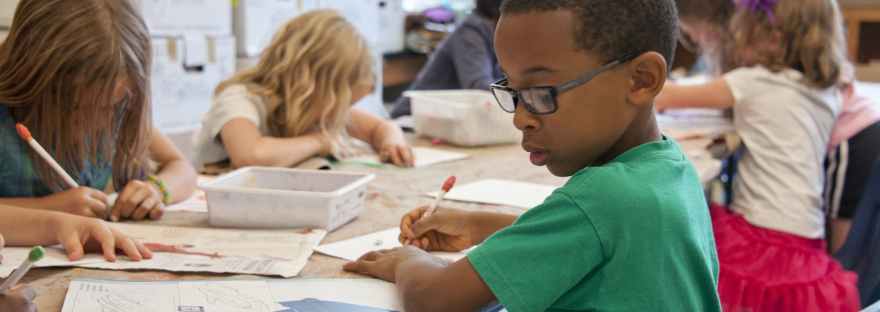
Creating a positive classroom culture is an essential aspect of effective teaching. It’s not just about making the learning environment enjoyable for students; it’s also about creating an atmosphere where students feel safe, respected, and valued.

Why is a Positive Classroom Culture Important?

A positive classroom culture can have a significant impact on a student’s academic success and overall well-being. Here are some of the benefits of creating a positive classroom culture:

  1. Increased Engagement: When students feel comfortable and supported in the classroom, they’re more likely to participate and engage in the learning process.
  2. Improved Learning: A positive classroom culture can also improve learning outcomes. Students who feel respected and valued are more likely to be motivated to learn and are more open to feedback and guidance from their teachers.
  3. Enhanced Social Skills: Positive classroom cultures can promote healthy social and emotional development, helping students develop the skills they need to communicate effectively, collaborate, and work together.
  4. Reduced Stress: A positive classroom culture can also reduce stress and anxiety levels among students, which can lead to improved mental health and well-being.

How to Create a Positive Classroom Culture?

Creating a positive classroom culture isn’t always easy, but it’s essential for student success. Here are some tips for creating a positive classroom culture:

  1. Set Clear Expectations: Establishing clear expectations and guidelines for behavior in the classroom is an essential first step in creating a positive classroom culture. Communicate these expectations clearly and consistently, and make sure that all students understand them.
  2. Build Relationships: Building relationships with your students is key to creating a positive classroom culture. Take time to get to know your students, show an interest in their lives outside of school, and make an effort to connect with them on a personal level.
  3. Foster Collaboration: Encourage collaboration and teamwork in the classroom. Provide opportunities for students to work together on projects and assignments, and create a supportive and inclusive environment where all students feel valued.
  4. Celebrate Diversity: Celebrate diversity in your classroom by promoting and respecting different cultures, languages, and perspectives. This can help create a more inclusive environment and promote understanding and empathy among your students.
  5. Use Positive Reinforcement: Use positive reinforcement to encourage positive behavior in the classroom. Praise and reward students who demonstrate good behavior and academic achievement, and provide constructive feedback to help students improve.

Creating a positive classroom culture is essential for student success. By setting clear expectations, building relationships, fostering collaboration, celebrating diversity, and using positive reinforcement, you can create a classroom environment where students feel safe, respected, and valued.

Education

Empowering Students with Special Needs: Tips for Special Education Teachers

Special education teachers have a unique role in the education system. They play a critical role in supporting students with special needs to achieve their full potential. It’s a challenging but rewarding job that requires patience, dedication, and a deep understanding of each student’s unique needs. In this blog, we’ll be sharing some tips for special education teachers that can help them empower their students and create a positive learning environment.

1. Build strong relationships with your students:

One of the most important things a special education teacher can do is to build strong relationships with their students. This involves getting to know each student’s strengths and challenges, learning their interests, and understanding their learning style. By building strong relationships with your students, you can create a safe and supportive learning environment where students feel comfortable expressing themselves and taking risks.

2. Use a variety of teaching strategies:

Students with special needs often have different learning styles than their peers. As a special education teacher, it’s essential to use a variety of teaching strategies to cater to each student’s individual needs. Some students may learn best through visual aids, while others may prefer hands-on activities or verbal instruction. By using a variety of teaching strategies, you can ensure that each student has access to the information they need to succeed.

3. Set clear expectations and goals:

Setting clear expectations and goals is essential for any classroom, but it’s especially important for students with special needs. By setting clear expectations, you can help students understand what is expected of them and how they can achieve success. Additionally, by setting goals, you can help students focus on their strengths and work towards achieving their full potential.

4. Use positive reinforcement:

Positive reinforcement is a powerful tool that can help students with special needs feel motivated and encouraged. As a special education teacher, it’s essential to provide positive feedback and praise when your students make progress or achieve their goals. This can help boost their confidence and encourage them to continue working towards success.

In conclusion, being a special education teacher is a challenging but rewarding job. By building strong relationships with your students, using a variety of teaching strategies, setting clear expectations and goals, and using positive reinforcement, you can help empower your students and create a positive learning environment. Remember that every student is unique, and by understanding their individual needs, you can help them achieve their full potential.

Education

“Better Together: How Teachers Can Build Stronger Relationships and Improve Their Practice”

As a teacher, you know how challenging and rewarding this profession can be. You also know that, in order to be successful, you need to be constantly learning, growing, and adapting to new situations.

Supporting each other means creating a network of teachers who can share their experiences, expertise, and resources. It is a powerful tool that can help teachers to overcome challenges, improve their teaching strategies, and enhance student learning. When teachers support each other, they can build a sense of community and create a positive work environment. This can lead to increased teacher morale, job satisfaction, and retention.

One of the benefits of teachers supporting each other is the ability to share best practices. Teachers can learn from each other and adapt successful teaching strategies to their own classrooms. This can help in improving student outcomes and creating a more engaging and interactive learning environment.

Supporting each other can also help in reducing stress and burnout among teachers. Teaching can be a stressful profession, and having a supportive network can help teachers to cope with the challenges they face. By sharing their experiences and challenges, teachers can feel more connected and supported, which can lead to better mental health and well-being.

In addition, supporting each other can help in creating a culture of continuous learning. Teachers can attend professional development sessions together, share resources, and collaborate on lesson plans. This can help in improving teaching strategies and enhancing student learning.

Finally, supporting each other can help in creating a sense of community among teachers. When teachers support each other, they can build relationships and trust, which can help in creating a positive and supportive work environment. This can lead to increased collaboration, communication, and teamwork, which can ultimately lead to better student outcomes.

When I taught 2nd grade, our saying was “Use it, lose it, or help me improve it.” We shared all of our ideas and resources with each other. We didn’t just care about our classroom succeeding, but all students succeeding in our grade and school. So, whether you’re sharing resources, offering feedback, collaborating on projects, providing encouragement, or mentoring a new teacher, remember that teachers supporting teachers is key to building a strong, supportive, and effective education community.

Education

Becoming Investigators

As a teacher, you’re always looking for creative and engaging ways to inspire your students. One of my favorite units to teach in 2nd grade was our mystery unit.  It’s such a great way to teach inference and predictions.  One fun and challenging activity you can try is creating a mystery that can only be solved by finding hidden clues in several passages. Here’s how you can set it up:

1. Choose a theme and create a story

First, choose a theme for your mystery. It could be anything from a missing artifact to a stolen recipe. Once you have a theme, create a story that incorporates it. Your story should be broken up into several passages that will be given to your students to read.

2. Hide clues in each passage

Next, hide clues in each passage that will help your students solve the mystery. These clues could be anything from a word that is underlined in the text to a symbol that is hidden in the margins. Be creative and make the clues challenging but not impossible to find.

3. Assign reward points for each clue

To add an extra layer of excitement, assign reward points for each clue that your students find. For example, the first clue might be worth 10 points, the second clue might be worth 20 points, and so on. At the end of the activity, the student with the most points wins a prize.

4. Watch your students become investigators

Once you have everything set up, distribute the passages to your students and watch as they become investigators, searching for clues to solve the mystery. Encourage them to work together and share their findings with each other. You can even create a leaderboard to track their progress and add to the excitement.

Creating a mystery with hidden clues is a fun and challenging activity that can inspire your students to become investigators. By assigning reward points for each clue, you can add an extra layer of excitement and encourage your students to work together. Give it a try and watch your students become engaged and motivated learners!

Education

Tips and Tricks for New Teachers

Starting a new teaching job can be both exciting and overwhelming. As a new teacher, you may feel unprepared or uncertain about how to navigate your new role. In this blog post, we’ll explore some tips and tricks for new teachers to help you navigate your first year and beyond.

1. Build Relationships with Your Students

Building relationships with your students is one of the most important things you can do as a teacher. Take the time to get to know your students and show that you care about their well-being and success. This can help to create a positive classroom environment and encourage student engagement and motivation.

2. Establish Clear Expectations

Establishing clear expectations is crucial for effective classroom management. Make sure that your expectations are communicated clearly and consistently, and be sure to reinforce them throughout the year. This can help to create a sense of structure and routine in the classroom, which can be comforting for students.

3. Be Prepared

Being prepared is key to success as a new teacher. Make sure that you have all of the materials and resources you need for each lesson, and be sure to plan ahead for any potential issues or challenges that may arise. This can help to reduce stress and make your teaching experience more enjoyable and rewarding.

4. Seek Feedback and Support

Don’t be afraid to seek feedback and support from your colleagues, mentors, and supervisors. This can help you to identify areas for improvement and develop strategies for overcoming challenges. Joining a professional organization or attending conferences can also be helpful for networking and professional development.

5. Practice Self-Care

Teaching can be a demanding and stressful job, so it’s important to practice self-care. Make sure to take breaks and prioritize your own well-being, both inside and outside of the classroom. This can help to prevent burnout and ensure that you’re able to provide your students with the best possible learning experience.

In Summary

Starting a new teaching job can be challenging, but with the right mindset and strategies, you can succeed and thrive. By building relationships with your students, establishing clear expectations, being prepared, seeking feedback and support, and practicing self-care, you can create a positive and rewarding teaching experience for yourself and your students.

Education

“Mastering the Art of Classroom Management: Strategies for a Productive Learning Environment”

As a teacher, classroom management is one of the most important aspects of your job. It can make or break the success of your classroom, and can greatly impact student learning and engagement. In this blog post, we’ll explore some key tips and strategies for effective classroom management.

Establish Clear Expectations

One of the most important things you can do as a teacher is to establish clear expectations for your students. This includes everything from expected behavior and participation, to homework and assignment deadlines. Make sure your expectations are communicated clearly and consistently, and be sure to reinforce them throughout the year.

Create a Positive Classroom Environment

Creating a positive classroom environment is also crucial to effective classroom management. Make sure that your classroom is welcoming, comfortable, and free from distractions. Encourage positive interactions and collaboration among your students, and make sure that everyone feels valued and respected.

Use Positive Reinforcement

Positive reinforcement is a powerful tool in classroom management. Praising students for good behavior, effort, and achievement can help to motivate them and build their confidence. Consider implementing a reward system for students who consistently meet or exceed your expectations.

Be Consistent

Consistency is key in classroom management. Make sure that your expectations and consequences are consistent across all students and situations. If you’re inconsistent, students may feel confused or unfairly treated. Consistency also helps to establish a sense of structure and routine in the classroom, which can be comforting for students.

Use Consequences Effectively

Consequences are an important part of classroom management, but they should be used carefully and strategically. Make sure that your consequences are appropriate for the situation and that they align with your expectations. Avoid using consequences that are overly harsh or punitive, as these can be counterproductive and may even lead to resentment or hostility among students.

In Summary

Effective classroom management is essential for student success and engagement. By establishing clear expectations, creating a positive classroom environment, using positive reinforcement, being consistent, and using consequences effectively, you can create a classroom that is productive, engaging, and enjoyable for everyone involved.