Education, Mom Life

Nurturing Empathy: Fostering Social-Emotional Skills in Children

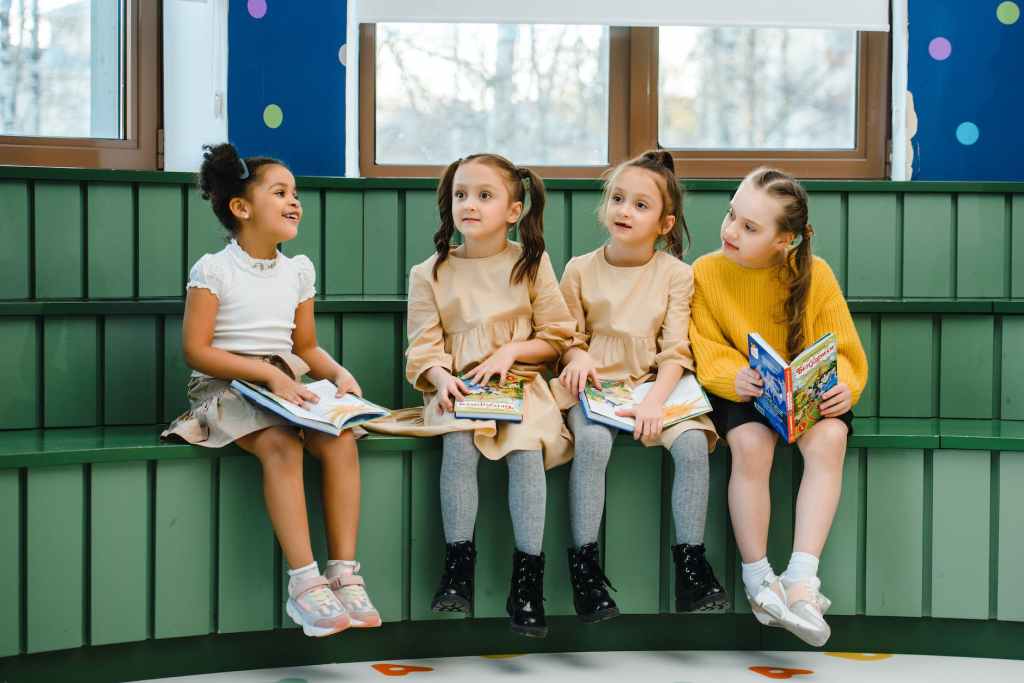
Photo by Anastasia Shuraeva on Pexels.com


In today’s fast-paced and often disconnected world, the importance of empathy and social-emotional skills cannot be overstated. As parents and educators, it’s crucial to cultivate these essential qualities in children from a young age to help them navigate relationships, understand others’ perspectives, and contribute positively to society. In this blog post, we’ll explore the importance of teaching empathy and share practical strategies for fostering social-emotional skills in children.

Why Empathy Matters:
Empathy is the ability to understand and share the feelings of others. It’s a fundamental aspect of social-emotional intelligence and plays a key role in building strong relationships, resolving conflicts, and promoting cooperation and kindness. Research has shown that children who possess strong empathy skills are more likely to succeed academically, have healthier relationships, and exhibit pro-social behaviors.

Strategies for Teaching Empathy:

  1. Model Empathetic Behavior:
    Children learn by example, so it’s essential for adults to model empathetic behavior in their interactions with others. Show empathy towards your child, peers, and strangers alike, and explain your thought process behind your actions. For example, “I noticed your friend was feeling sad, so I asked if they wanted to play together to cheer them up.”
  2. Encourage Perspective-Taking:
    Help children understand that everyone experiences the world differently by encouraging perspective-taking activities. This can include role-playing scenarios, reading books from diverse perspectives, or discussing real-life situations from multiple viewpoints. Encourage questions like, “How do you think your friend felt when you shared your toy with them?”
  3. Teach Active Listening:
    Effective communication is a cornerstone of empathy. Teach children the importance of active listening by encouraging them to pay attention to others, maintain eye contact, and ask clarifying questions. Practice reflective listening by paraphrasing others’ thoughts and feelings to show understanding and validation.
  4. Foster Emotional Literacy:
    Emotional literacy involves recognizing and understanding one’s own emotions as well as those of others. Provide children with vocabulary to express their feelings and teach them to identify emotions in themselves and others. Create a “feelings chart” with pictures or words representing different emotions and discuss situations that might elicit those feelings.
  5. Promote Acts of Kindness:
    Encourage children to engage in acts of kindness towards others, whether it’s sharing toys, offering compliments, or helping a friend in need. Celebrate and acknowledge these acts of kindness to reinforce their importance and encourage continued prosocial behavior.


By prioritizing the development of empathy and social-emotional skills in children, we can help cultivate a generation of compassionate, resilient, and socially responsible individuals. Through modeling empathetic behavior, encouraging perspective-taking, teaching active listening, fostering emotional literacy, and promoting acts of kindness, we can empower children to navigate the complexities of human relationships with empathy and understanding. Together, let’s create a more empathetic and compassionate world, one child at a time.
Education, Mom Life

Embracing Neurodiversity: Understanding Autism

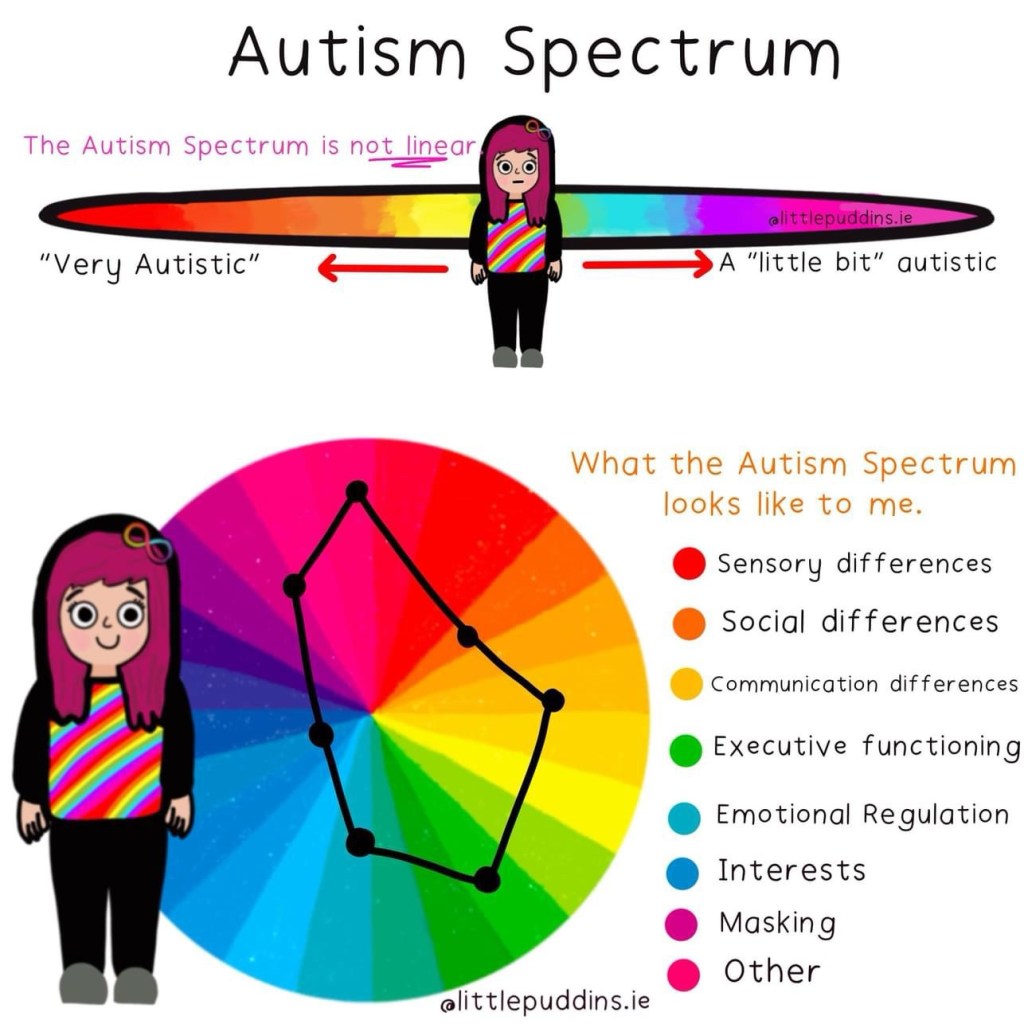
Autism, also known as Autism Spectrum Disorder (ASD), is a neurodevelopmental condition that affects how individuals perceive the world and interact with others. With a wide range of strengths and challenges, autism is a unique expression of human diversity that deserves understanding, acceptance, and support.

What is Autism Spectrum Disorder?

Autism Spectrum Disorder encompasses a spectrum of conditions characterized by challenges with social communication, repetitive behaviors, and restricted interests. It affects individuals differently, with some exhibiting exceptional abilities in areas such as math, music, or art, while others may struggle with sensory sensitivities, social interactions, or verbal communication.

Breaking Down Misconceptions

Despite increased awareness in recent years, misconceptions about autism still persist. One common misconception is that all individuals with autism are nonverbal or have intellectual disabilities. In reality, autism is a diverse spectrum, and each person’s experience is unique. Some individuals with autism may have exceptional verbal skills, while others may face challenges with communication.

Another misconception is that autism is solely a childhood condition. While symptoms often appear in early childhood, autism is a lifelong condition that continues to influence individuals into adulthood. With the right support and accommodations, individuals with autism can lead fulfilling and meaningful lives.

Understanding Strengths and Challenges

Autism is not solely defined by its challenges; it is also characterized by unique strengths and abilities. Many individuals with autism possess remarkable talents and perspectives that enrich our society. Whether it’s a talent for pattern recognition, an intense focus on detail, or a creative imagination, these strengths contribute to the diversity of human experience.

However, individuals with autism may also face various challenges, including difficulties with social communication, sensory sensitivities, and navigating change. These challenges can impact daily life and may require accommodations and support to overcome.

Creating an Inclusive Society

Creating an inclusive society starts with understanding and accepting neurodiversity, including autism. By embracing the unique perspectives and talents of individuals with autism, we can build a more compassionate and inclusive world for all.

This includes providing access to educational and employment opportunities, promoting acceptance and understanding in our communities, and advocating for policies that support the rights and needs of individuals with autism.

Supporting Individuals with Autism

Supporting individuals with autism requires a multi-faceted approach that addresses their unique strengths, challenges, and preferences. This may include access to therapies such as applied behavior analysis (ABA) or speech therapy, accommodations in educational and workplace settings, and community resources for social support and inclusion.

Above all, it’s essential to listen to and respect the voices of individuals with autism, amplifying their experiences and advocating for their needs. By working together, we can create a world where individuals with autism are valued, included, and empowered to reach their full potential.

Mom Life

Genius Mom Hacks for Everyday Life

As a mom, there are always a million things to do in a day, and sometimes it can feel like there’s just not enough time to get everything done. But with a little creativity and ingenuity, there are some simple mom hacks you can use to make your life easier and more efficient.

  1. Use a meal planner: Meal planning is a lifesaver when it comes to saving time and avoiding last-minute takeout. I like to plan out meals for the week on Sunday and create a grocery list to make sure I have all the necessary ingredients. This also helps me avoid the dreaded question “what’s for dinner?”
  2. Prep snacks in advance: Having snacks ready to go is a must for busy days. I like to pre-cut fruits and veggies and store them in containers in the fridge. This makes it easy to grab and go when we’re in a rush.
  3. Use a hanging shoe organizer for small toys: Small toys can easily get lost or become cluttered. I use a hanging shoe organizer and hang it on the back of my daughter’s door. It’s perfect for storing small toys, art supplies, and even socks!
  4. Create a cleaning schedule: With so much to do as a mom, it’s easy for cleaning to fall to the wayside. Creating a cleaning schedule helps me stay on top of things. I divide tasks by day and tackle them in smaller chunks throughout the week.
  5. Keep wipes in every room: I like to keep wipes in every room, so I don’t have to go searching for them when I need them. Wipes are a mom’s best friend. Keep a stash in every room for easy cleanups.
  6. Use a whiteboard for reminders: With so much going on, it’s easy to forget things. I like to use a whiteboard to write down reminders, to-do lists, and important dates. This way, I always have a visual reminder of what needs to be done.

These are just a few mommy hacks that I use on a daily basis to make life a little bit easier. Every mom has their own tricks up their sleeve, and it’s all about finding what works for you and your family.