

Autism, also known as Autism Spectrum Disorder (ASD), is a neurodevelopmental condition that affects how individuals perceive the world and interact with others. With a wide range of strengths and challenges, autism is a unique expression of human diversity that deserves understanding, acceptance, and support.

What is Autism Spectrum Disorder?
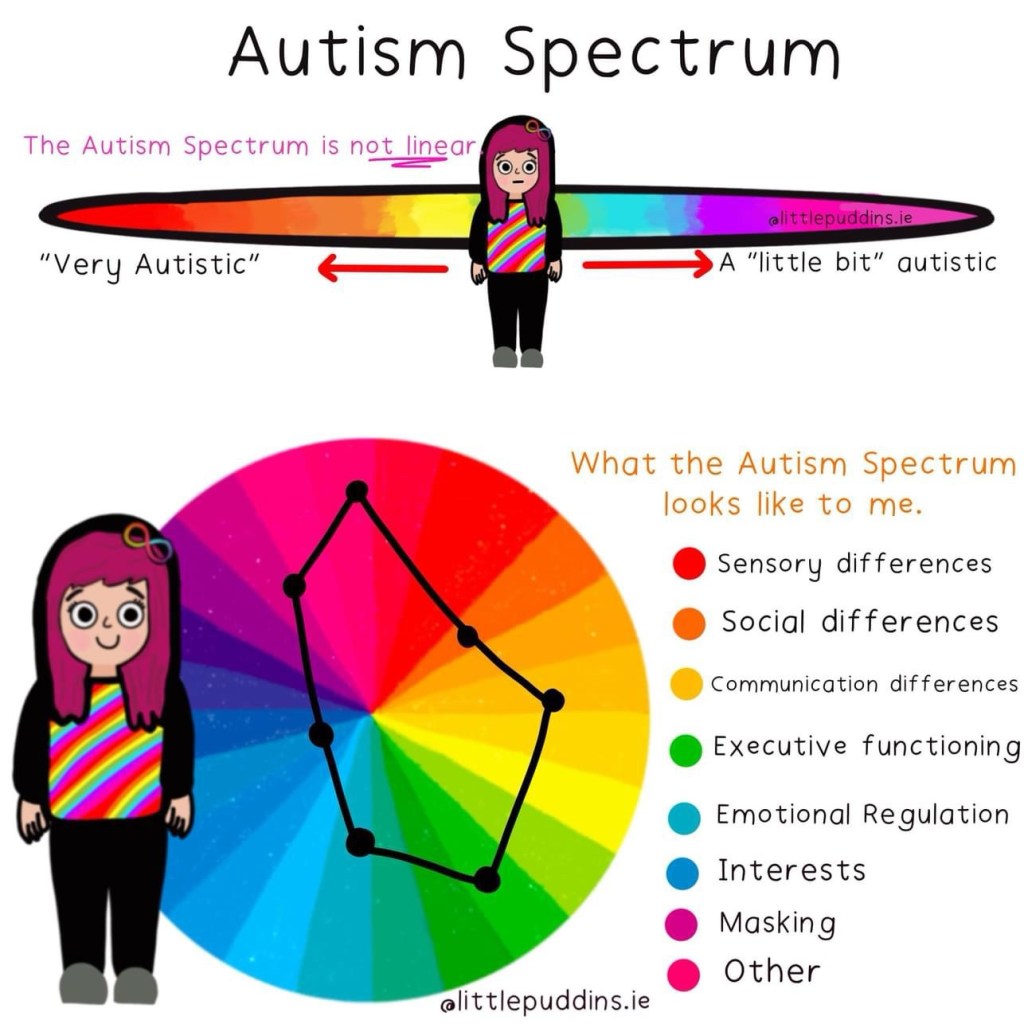
Autism Spectrum Disorder encompasses a spectrum of conditions characterized by challenges with social communication, repetitive behaviors, and restricted interests. It affects individuals differently, with some exhibiting exceptional abilities in areas such as math, music, or art, while others may struggle with sensory sensitivities, social interactions, or verbal communication.

Breaking Down Misconceptions
Despite increased awareness in recent years, misconceptions about autism still persist. One common misconception is that all individuals with autism are nonverbal or have intellectual disabilities. In reality, autism is a diverse spectrum, and each person’s experience is unique. Some individuals with autism may have exceptional verbal skills, while others may face challenges with communication.
Another misconception is that autism is solely a childhood condition. While symptoms often appear in early childhood, autism is a lifelong condition that continues to influence individuals into adulthood. With the right support and accommodations, individuals with autism can lead fulfilling and meaningful lives.
Understanding Strengths and Challenges
Autism is not solely defined by its challenges; it is also characterized by unique strengths and abilities. Many individuals with autism possess remarkable talents and perspectives that enrich our society. Whether it’s a talent for pattern recognition, an intense focus on detail, or a creative imagination, these strengths contribute to the diversity of human experience.
However, individuals with autism may also face various challenges, including difficulties with social communication, sensory sensitivities, and navigating change. These challenges can impact daily life and may require accommodations and support to overcome.
Creating an Inclusive Society
Creating an inclusive society starts with understanding and accepting neurodiversity, including autism. By embracing the unique perspectives and talents of individuals with autism, we can build a more compassionate and inclusive world for all.
This includes providing access to educational and employment opportunities, promoting acceptance and understanding in our communities, and advocating for policies that support the rights and needs of individuals with autism.
Supporting Individuals with Autism
Supporting individuals with autism requires a multi-faceted approach that addresses their unique strengths, challenges, and preferences. This may include access to therapies such as applied behavior analysis (ABA) or speech therapy, accommodations in educational and workplace settings, and community resources for social support and inclusion.
Above all, it’s essential to listen to and respect the voices of individuals with autism, amplifying their experiences and advocating for their needs. By working together, we can create a world where individuals with autism are valued, included, and empowered to reach their full potential.
 Coffee IEPS Chaos