Uncategorized

Living on an Island: When Your Journey Feels Lonely

There’s a certain kind of silence that comes with parenting through something no one in your circle truly understands. It’s not the peaceful kind…it’s the kind that hums with isolation. That’s what it feels like when you’re parenting on an island.

Not a tropical vacation kind of island. Not one with hammocks and ocean breezes. This island is made up of sleepless nights, unexpected doctor visits, emotional outbursts, and endless research. It’s formed by late-night Google searches and the quiet tears you cry after your child’s been misunderstood again.

You’re surrounded by people…family, friends, co-worker, but it feels like no one really gets it.

You talk about IEP meetings and insulin corrections, sensory overloads and 504 plans, and people nod along politely, but their eyes don’t carry the weight yours do. You mention the meltdown your child had in the grocery store or the anxiety they felt before school, and the suggestions you get are well-meaning…but empty. You get a lot of “Have you tried…” or “Maybe it’s just a phase,” when what you really need is, “That sounds so hard. I see you.”

When your child has autism, ADHD, diabetes or any diagnosis that makes their world a little harder to navigate…you quickly learn that typical parenting advice doesn’t always apply. What works for others might not work for your child. And that realization can build walls where you once had connection.

You start to hesitate before speaking up in group chats or mom circles, not because you don’t want to share, but because your story feels like too much. Too heavy. Too complicated. Too far from the “normal” that others live in. And slowly, you find yourself on that island again.

But here’s the thing I’ve come to learn: just because your island feels lonely doesn’t mean you’re alone.

There are other parents…on their own islands…watching the same storms roll in. They may not be in your immediate friend group. You may not bump into them at school pickup or soccer practice. But they’re out there. And when you find them, there’s an immediate bond. A shared understanding. No need to explain what a sensory diet is or why a blood sugar of 47 is terrifying. No need to justify why your child still needs support with things others have long outgrown.

If you’re reading this and nodding through tears, I want you to know: I see you. I know the loneliness. I know what it feels like to advocate day after day, to carry the weight of worry while still trying to let your child feel free. I know the exhaustion that comes from always being on alert…always “on.”

Your island may feel small and quiet, but you are not without strength. You are doing the work of a village…sometimes all on your own…and that deserves recognition, not pity.

So if no one in your circle gets it right now, keep going. Keep speaking your truth. Keep seeking your people. Because even if your island feels deserted, there are others out there building bridges.

And one day, someone will look at you and say, “I’ve been there.” And that moment? It’ll feel like someone just swam across the ocean to meet you.

Life

What Doesn’t Kill You

I had a conversation today that made me pause and really reflect. We were talking about life you know, the kind of talk that goes deeper than surface-level small talk. I found myself opening up about how my experiences have shaped me, especially in how I relate to others.

I’ve learned something important: even when I have a negative thought or judgment about someone or a situation, I almost always catch myself later wondering, What are they going through? Life has taught me that people act in ways that don’t always make sense on the surface, but there’s almost always something deeper behind it. I think that’s where empathy comes in when you’ve been through enough, you just start seeing people differently.

And I’ve been through… a lot.

Losing my mom was one of the hardest moments of my life. She wasn’t just my mom…she was my example, my comfort, my biggest cheerleader. Watching her battle cancer and then having to say goodbye is something I’ll carry forever. But somehow, that loss helped me understand others’ grief in a way I never could have before.

Then there’s the journey of being a mom. Raising a child with Asperger’s and with ADHD has given me a front-row seat to how hard the world can be for kids who don’t fit the mold and how hard it is for parents who are just trying to navigate it all. Add to that my child’s diagnosis with Type 1 diabetes, and you’ve got a crash course in how to live with constant awareness, vigilance, and worry. It’s a full-time job before the sun even rises.

At one point, I was also caring for my mother-in-law after her hip replacement. We later found out she had cancer too, and things spiraled quickly. Watching her struggle while trying to care for my own child’s newly diagnosed condition was a breaking point for me. I had to make the hard choice to step away from teaching, a job I loved, because something had to give.

My husband had a wonderful job… until he was fired just before Christmas for not wanting to follow COVID protocols. We had just been approved to buy a house. No insurance. No steady income. And a child needing expensive medication daily just to survive.

We were supposed to be building a life..putting down roots. Instead, we were watching everything unravel.

My husband had a wonderful job… until just before Christmas, when he was let go for not signing a form disclosing his COVID-19 vaccination status. It wasn’t that he caused a stir or refused to cooperate—he simply chose not to disclose that personal medical information. But in that moment, that choice cost him his job..

It all felt like a whirlwind..like I was watching someone else’s life happen in front of me. My mother-in-law’s health continued to decline. Eventually, they found a tumor near where her hip had been. She passed away in June 2021.

That year nearly broke me.

But you know that saying..what doesn’t kill you makes you stronger? I believe it. Every loss, every diagnosis, every financial stressor, every tear and sleepless night..they’ve all changed me. And as painful as those experiences were, they’ve made me softer. Kinder. More aware. I find myself thinking of others in ways I never did before. I don’t brush off someone’s frustration or bad attitude. I wonder what’s behind it. Because I’ve been the person barely holding it together. I’ve been the one hoping someone would just understand.

So if you’re going through something hard right now, I see you. If life feels like it’s coming at you all at once, I’ve been there. And I just want to say this: You will get through it. Maybe not untouched, but definitely stronger. And maybe, just maybe, a little more empathetic too.

Uncategorized

Lessons from the Valleys: Growing Through Life’s Challenges

I’ve always loved the imagery of mountaintops and valleys. The mountaintops represent joy, success, and the moments when everything feels right. The valleys? Those are the struggles, the hardships, the unexpected detours. But as I reflect on my journey—both personally and professionally—I realize that I’ve learned far more in the valleys than I ever did on the mountaintops.

The Mountaintops Are Beautiful, But…

There’s no denying the beauty of the mountaintop moments. They are the times when hard work pays off, when prayers are answered, when life feels easy. In teaching, these are the moments when a struggling student finally reads that first sentence fluently, when a lesson goes exactly as planned, or when a classroom feels like a family. As a mother, they are the moments when my children overcomes challenges, when I see them happy and thriving.

But as wonderful as these moments are, they don’t always teach us the deepest lessons. They are the result of the journey, not necessarily where the most growth happens.

The Valleys Are Where Growth Happens

The valleys of life are hard. They test our patience, faith, and resilience. I’ve walked through valleys of loss, uncertainty, and heartbreak. Losing my mother was one of the hardest valleys I’ve ever faced. Watching my son struggle with Type 1 diabetes has been hard, but through the challenges, I’ve learned the true meaning of resilience, faith, and finding strength in the hardest moments.

Yet, in these valleys, I’ve learned lessons that I never would have on the mountaintop:

The Strength of Perseverance: When things don’t go as planned, when I feel like giving up, I’ve learned to keep pushing forward. Growth doesn’t come from ease; it comes from endurance.

The Power of Empathy: Walking through struggles has made me more compassionate. I understand my students better, I advocate for my son more fiercely, and I connect with others who are hurting in a deeper way.

The Importance of Faith: In the hardest moments, I’ve had to lean on my faith more than ever. It’s in the valleys that I’ve seen God’s provision, His timing, and His strength carrying me through.

The Beauty of Small Victories: When you’re in the valley, even the smallest wins feel huge. A child learning a single sight word, a good day after a string of hard ones, a moment of peace in the chaos—these things matter.

Looking Back with Gratitude

I won’t pretend that I love the valleys. No one enjoys struggle. But when I look back, I see how much they’ve shaped me. I see how the hardest moments led to the deepest wisdom, the strongest faith, and the greatest appreciation for the mountaintops when they do come.

So, if you’re in a valley right now, keep going. There’s something to learn, something to gain, and one day, you’ll look back and realize that the valley was preparing you for something greater.

And when you finally reach the next mountaintop, it will be even more beautiful because of the journey it took to get there.

Uncategorized

How to Be a Mental Health Sidekick: Support Your Loved Ones with Style and Humor

Supporting a loved one with mental health challenges can feel like navigating a minefield while blindfolded. But fear not! With a bit of humor and a lot of heart, you can be the superhero sidekick they need. Here’s your guide to being the best (and funniest) support system ever.

1. Become a Mental Health Guru

First things first, channel your inner Hermione Granger and hit the books. Learn about your loved one’s mental health condition so you can drop knowledge bombs and avoid awkward faux pas. Trust us, Googling “Is it normal to feel like a potato?” won’t cut it.

2. Master the Art of Listening

Put on your therapist hat and let your loved one spill the tea. Listen like you’re hearing the juiciest gossip ever, but without the judgment. Nod thoughtfully, throw in a few “Mmm-hmms,” and avoid saying, “Well, that’s crazy!” because, well, irony.

3. Play the Therapy Hype-Man

Encourage your friend to seek professional help like you’re hyping them up for a concert. “Therapists are like mental ninjas, and you, my friend, are about to get some serious ninja training!” Offer to help find one, and if they’re hesitant, remind them that even Batman had Alfred.

4. Channel Your Inner Zen Master

Patience, young grasshopper. Mental health recovery isn’t a Netflix binge—it’s more like a never-ending series. Celebrate the small victories, and don’t expect an instant glow-up. Remember, even the tortoise eventually won the race (and probably had anxiety).

5. Respect the Bubble

Give your loved one the space they need. Think of their mental health like a cat: sometimes it wants cuddles, sometimes it wants to hide under the bed. Respect their boundaries and don’t be that annoying person who pokes the cat.

6. Be Their Personal Assistant

Help with day-to-day stuff. Cook a meal, run errands, or be their Uber to therapy sessions. Just don’t start wearing a chauffeur’s hat. Or do, if that’s your style—no judgment.

7. Promote Health Like a Wellness Influencer

Encourage healthy habits. Suggest walks, smoothies, and sleep like you’re running a wellness Instagram. “Hey, want to do yoga in the park? No? Okay, how about we Netflix and stretch?” Keep it light, keep it fun.

8. Create a Chill Vibe

Make their environment as stress-free as a beach vacation. Light some candles, play some chill tunes, and banish negativity like it’s sand in your swimsuit. A zen den can do wonders.

9. Language Matters, Dude

Be mindful of what you say. Avoid phrases that stigmatize mental health. Instead of “You’re so OCD,” try “Wow, you’re really organized!” It’s like swapping out “sick” for “awesome” in the 90s—words matter.

10. Don’t Forget Yourself

You can’t pour from an empty cup, so make sure you’re taking care of numero uno. Grab a coffee, binge-watch your favorite show, or scream into a pillow (your choice). Keep your own mental health in check, because burnout is so last season.

Supporting someone with mental health challenges is like being their Gandalf: wise, supportive, and a little bit magical. With empathy, humor, and a dash of patience, you can help them navigate their journey. Remember, you’re not just a sidekick—you’re their hero in this mental health saga. And every hero deserves a little laughter along the way.

Education, Mom Life

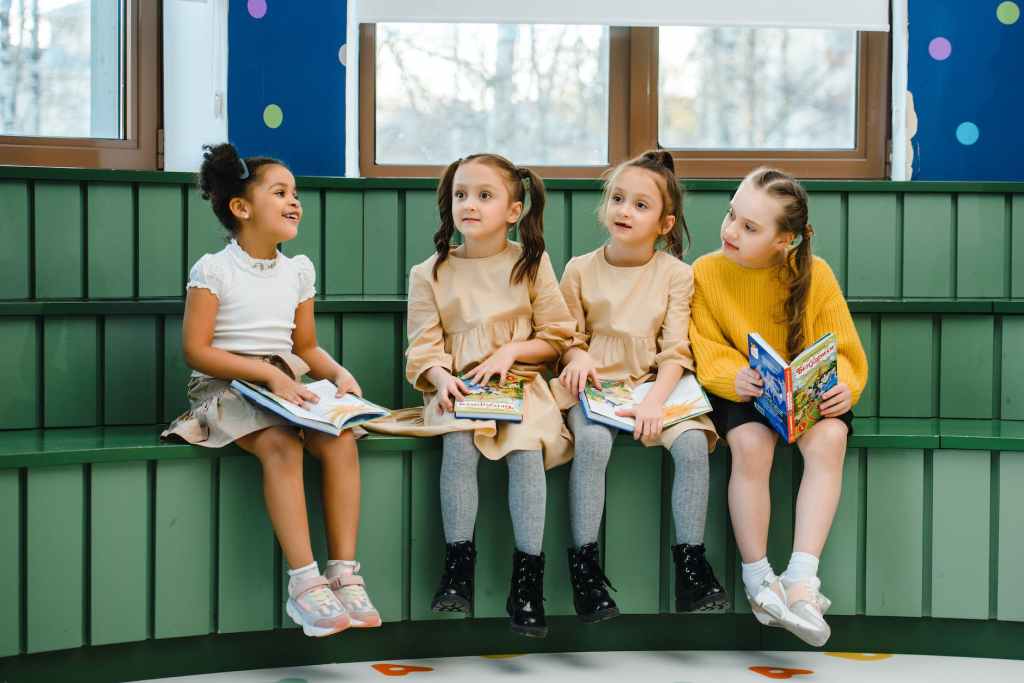
Nurturing Empathy: Fostering Social-Emotional Skills in Children

Photo by Anastasia Shuraeva on Pexels.com


In today’s fast-paced and often disconnected world, the importance of empathy and social-emotional skills cannot be overstated. As parents and educators, it’s crucial to cultivate these essential qualities in children from a young age to help them navigate relationships, understand others’ perspectives, and contribute positively to society. In this blog post, we’ll explore the importance of teaching empathy and share practical strategies for fostering social-emotional skills in children.

Why Empathy Matters:
Empathy is the ability to understand and share the feelings of others. It’s a fundamental aspect of social-emotional intelligence and plays a key role in building strong relationships, resolving conflicts, and promoting cooperation and kindness. Research has shown that children who possess strong empathy skills are more likely to succeed academically, have healthier relationships, and exhibit pro-social behaviors.

Strategies for Teaching Empathy:

  1. Model Empathetic Behavior:
    Children learn by example, so it’s essential for adults to model empathetic behavior in their interactions with others. Show empathy towards your child, peers, and strangers alike, and explain your thought process behind your actions. For example, “I noticed your friend was feeling sad, so I asked if they wanted to play together to cheer them up.”
  2. Encourage Perspective-Taking:
    Help children understand that everyone experiences the world differently by encouraging perspective-taking activities. This can include role-playing scenarios, reading books from diverse perspectives, or discussing real-life situations from multiple viewpoints. Encourage questions like, “How do you think your friend felt when you shared your toy with them?”
  3. Teach Active Listening:
    Effective communication is a cornerstone of empathy. Teach children the importance of active listening by encouraging them to pay attention to others, maintain eye contact, and ask clarifying questions. Practice reflective listening by paraphrasing others’ thoughts and feelings to show understanding and validation.
  4. Foster Emotional Literacy:
    Emotional literacy involves recognizing and understanding one’s own emotions as well as those of others. Provide children with vocabulary to express their feelings and teach them to identify emotions in themselves and others. Create a “feelings chart” with pictures or words representing different emotions and discuss situations that might elicit those feelings.
  5. Promote Acts of Kindness:
    Encourage children to engage in acts of kindness towards others, whether it’s sharing toys, offering compliments, or helping a friend in need. Celebrate and acknowledge these acts of kindness to reinforce their importance and encourage continued prosocial behavior.


By prioritizing the development of empathy and social-emotional skills in children, we can help cultivate a generation of compassionate, resilient, and socially responsible individuals. Through modeling empathetic behavior, encouraging perspective-taking, teaching active listening, fostering emotional literacy, and promoting acts of kindness, we can empower children to navigate the complexities of human relationships with empathy and understanding. Together, let’s create a more empathetic and compassionate world, one child at a time.

Uncategorized

Understanding Anxiety: Breaking Down the Invisible Struggle

Anxiety is more than just a feeling of worry or nervousness; it’s a complex and often invisible struggle that impacts millions of people worldwide. From generalized anxiety disorder to social anxiety, panic disorder to specific phobias, anxiety manifests in various forms and affects individuals differently.

At its core, anxiety is the body’s natural response to stress, triggering a cascade of physiological and psychological reactions. While some level of anxiety is normal and can even be beneficial in certain situations, such as motivating us to prepare for challenges, it becomes problematic when it interferes with daily life and well-being.

One of the challenges of anxiety is its invisibility. Unlike physical ailments that are often readily apparent, anxiety can hide beneath the surface, silently tormenting those who suffer from it. This invisibility can lead to misunderstandings and misconceptions, with individuals struggling to articulate their experiences or feeling ashamed to seek help.

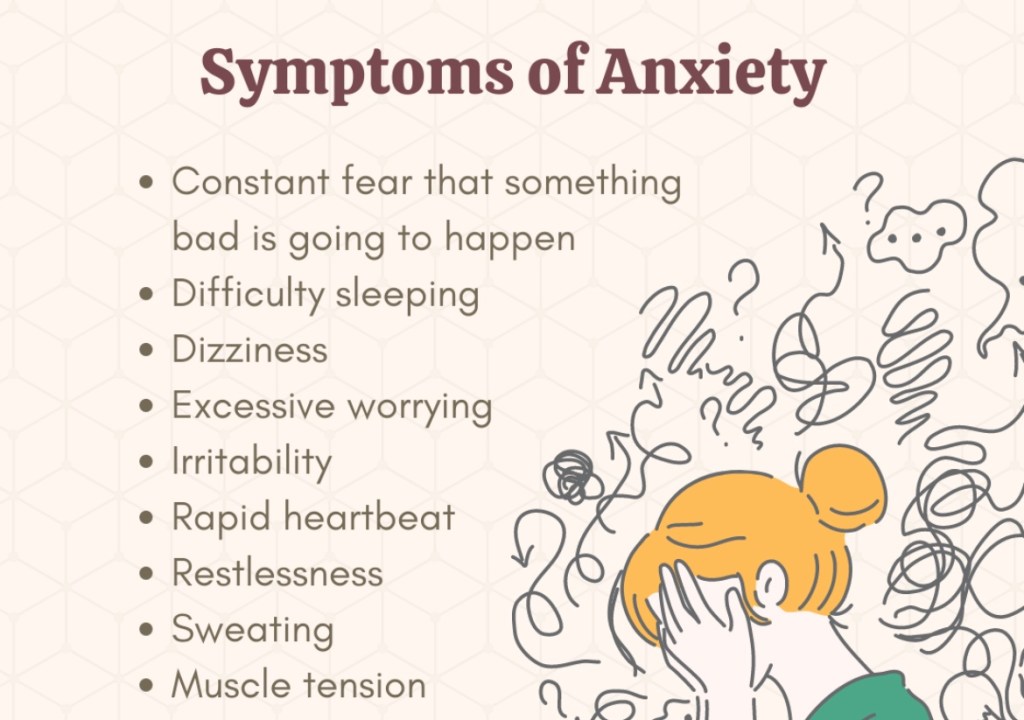
Moreover, anxiety can manifest in a myriad of symptoms, ranging from racing thoughts and restlessness to trembling, sweating, and even panic attacks. These symptoms can be debilitating, making it difficult for individuals to function at work, school, or in social situations.

The stigma surrounding mental health further complicates the issue, causing many to suffer in silence rather than seeking the support they need. However, it’s essential to recognize that anxiety is a common and treatable condition. Through therapy, medication, lifestyle changes, and coping strategies, individuals can learn to manage their anxiety and reclaim their lives.

Furthermore, raising awareness and fostering open conversations about anxiety is crucial in breaking down stigma and providing support to those who need it. By sharing our experiences, offering empathy, and educating ourselves and others, we can create a more compassionate and understanding society for those living with anxiety.

If you or someone you know is struggling with anxiety, know that help is available. Reach out to a mental health professional, confide in a trusted friend or family member, or explore resources and support groups online. Remember, you are not alone, and there is hope for a brighter, more manageable future beyond anxiety’s grasp.

Life

Give People Grace and Kindness…EVERYDAY!!

Checking in on your strong friends isn’t enough.

When you hear the phrase “Check on your strong friends”, it’s not even about checking in on us. Many times when you check on your strong friends, they will tell you “I’m okay!” “I’m fine!” Many times we’re not. We just don’t want to sit and share what we are going through because many times we feel like a burden or that our burden or concerns are way too heavy for you. We have trained ourselves to say “I’m okay” and smile.

Being the strong friend…you are the person that everyone comes to when they are sad, anxious, worried, stressed, and depressed. It’s usually the strong friends that needs the most support and gets the least. The strong friend is always expected to have it together, to think positive, to not worry, to not be upset, to not be scared because that is what we always do for other people. At the end of the day, we take on everyone else’s stuff and carry our own by ourselves.

So instead of just checking on your strong friends, how about giving your family and friends some grace when they are going through something and not making them feel like a burden or make them feel like their issues are too heavy for you. If you are overwhelmed with your own issues, that’s okay but offer some guidance or support for them to be able to speak to. That’s so much bigger than checking on your strong friends.

Life

“Prioritizing Self-Care: The Key to Improved Well-Being”

Self-care is the practice of taking care of oneself in order to maintain physical, mental, and emotional well-being. It is a crucial aspect of our lives that we often neglect due to our busy schedules and hectic lifestyles. It is important to prioritize self-care as it can improve our quality of life and overall happiness.

Self-care can take many forms, from taking a relaxing bath to going for a walk in nature. It is important to find what works best for you and make it a regular part of your routine. Here are some self-care practices to consider:

  1. Exercise – Regular exercise can help improve your physical and mental well-being. It can also help alleviate stress and anxiety.
  2. Meditation – Taking a few minutes each day to meditate can help calm your mind and reduce stress.
  3. Journaling – Writing down your thoughts and feelings can help you process your emotions and improve your mental health.
  4. Eating a balanced diet – Eating a healthy and balanced diet can provide your body with the nutrients it needs to function properly.
  5. Getting enough sleep – Getting enough sleep is essential for our physical and mental well-being. Aim for 7-9 hours of sleep each night.
  6. Taking breaks – Taking breaks throughout the day can help reduce stress and increase productivity.
  7. Connecting with others – Spending time with loved ones can help improve your mood and reduce feelings of loneliness.

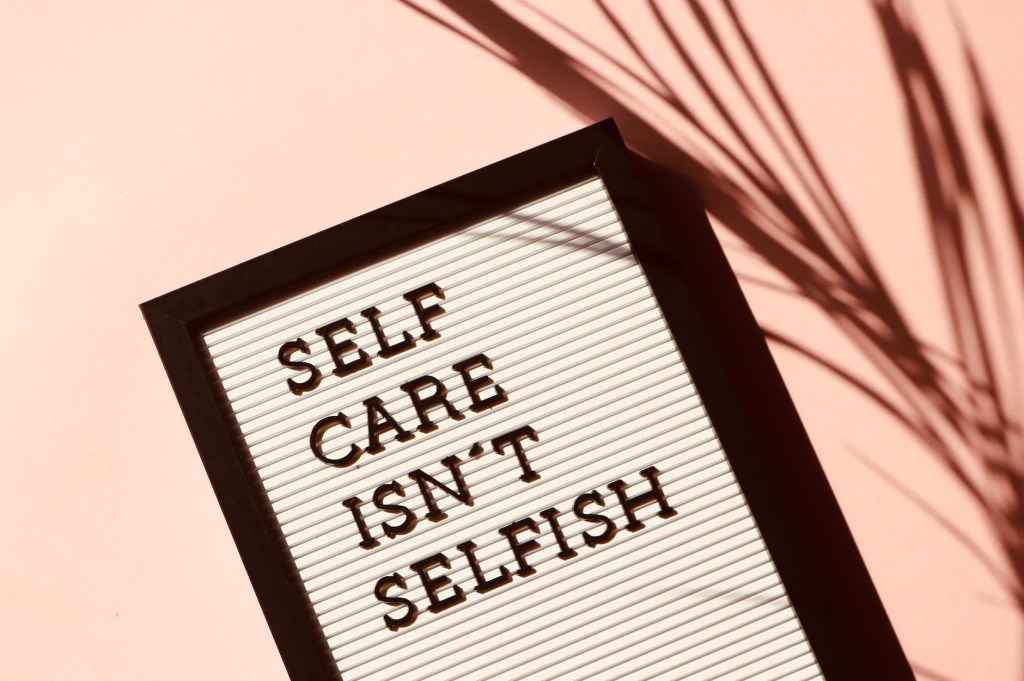
Remember, self-care is not selfish. It is necessary for our overall well-being and allows us to be the best version of ourselves for those around us. Make self-care a priority in your life and see the positive impact it can have on your mental and physical health.