Education

Debunking Myths About Special Education

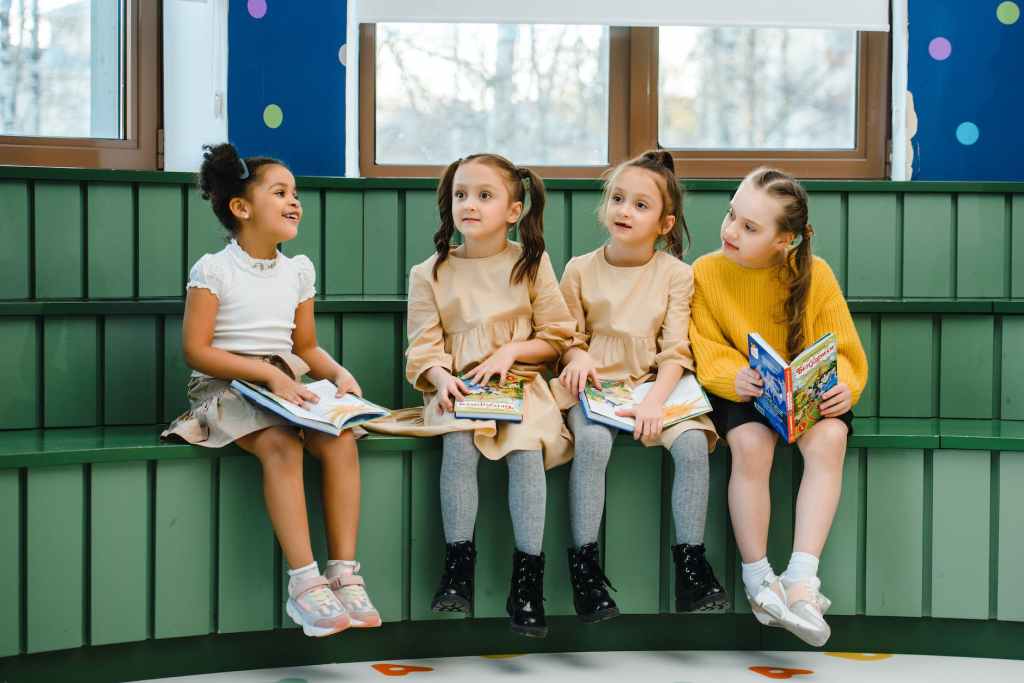
Photo by Anastasia Shuraeva on Pexels.com

Special education is one of the most misunderstood areas in education. Despite progress in inclusion and awareness, many myths about special education persist. These misconceptions can lead to unnecessary stigma, misunderstandings, and missed opportunities for students with disabilities. As a special education teacher with nearly two decades of experience, I want to shed light on some of these myths and share the reality behind them.

Myth #1: Special Education is Only for Students with Severe Disabilities

The Reality:

Special education is designed to meet the needs of a wide range of learners with diverse abilities and challenges. Students with learning disabilities, ADHD, autism, speech and language delays, and emotional or behavioral challenges, among others, may qualify for special education services. Some of these students have mild or invisible disabilities and simply need tailored instruction or accommodations to succeed.

Special education is not a “one-size-fits-all” program—it’s individualized for each student’s unique needs.

Myth #2: Students in Special Education Can’t Be Successful

The Reality:

This couldn’t be further from the truth! With the right support, students in special education can excel academically, socially, and personally. Many go on to pursue higher education, enter the workforce, and live fulfilling lives.

Success looks different for every student, and special education empowers students by helping them meet their goals, build confidence, and develop lifelong skills.

Myth #3: Special Education Teachers Just “Baby” Their Students

The Reality:

Special education teachers are highly trained professionals who use evidence-based strategies to teach academic, social, and life skills. We focus on helping students develop independence, self-advocacy, and problem-solving abilities.

It’s not about “babying” students; it’s about meeting them where they are and helping them grow. For example, we might break down complex tasks into manageable steps, provide visual supports, or teach students self-regulation techniques to help them thrive.

Myth #4: Inclusion is Harmful to General Education Students

The Reality:

Inclusive classrooms benefit all students. Research shows that when students with disabilities learn alongside their typically developing peers, everyone gains. Students without disabilities develop empathy, understanding, and collaboration skills.

Inclusive settings also reflect the diversity of the real world, preparing all students for life beyond the classroom. With proper planning and support, inclusion can be a win-win for everyone involved.

Myth #5: Students in Special Education Just Need to “Try Harder”

The Reality:

Students with disabilities are not lazy or unmotivated. They face challenges that require different approaches to learning. For instance, a student with dyslexia might struggle to read because their brain processes language differently, not because they aren’t trying.

Special education provides the tools, strategies, and accommodations to help students overcome these challenges and achieve their full potential.

Myth #6: Special Education is the Same as Tutoring

The Reality:

While tutoring focuses on reteaching specific content, special education addresses a student’s individual needs through specialized instruction. It might involve teaching foundational skills, using assistive technology, or adapting the curriculum to align with a student’s learning style.

Special education is about equipping students with the skills and strategies they need to succeed both in and outside the classroom.

Myth #7: Special Education is a “Life Sentence”

The Reality:

Receiving special education services does not mean a student will be in the program forever. Many students graduate from special education when they no longer need additional support. The goal is to help students become as independent as possible and to transition them out of special education services when appropriate.

Breaking the Stigma

Understanding the truths about special education is key to breaking the stigma and fostering a more inclusive society. By addressing these myths, we can create a school environment where all students feel valued, supported, and empowered to reach their potential.

If you’re a parent, teacher, or community member, I encourage you to learn more about special education and advocate for students with disabilities. Together, we can ensure that every child has the opportunity to succeed.
Education

Why I Love Being a Special Education Teacher

Teaching is more than a profession—it’s a calling, a journey, and an incredible privilege. For the past couple years, I’ve had the honor of working in special education at the elementary level, focusing on reading resource for kindergarten through second grade. When people ask me why I chose this path, my answer is simple: I love making a difference.

When I first dreamed about my future, I never imagined I’d become a special education teacher. Like many people, I had a vision of what my life and career would look like, and this wasn’t part of the plan. In fact, I stumbled into this field almost by chance—but it was the best thing that could have happened to me.

I started teaching with one idea of what I thought I was meant to do, but as I worked with students who needed extra support, I felt an undeniable pull toward special education. It wasn’t always easy at first. There were challenges I didn’t anticipate and moments of self-doubt, but as I got to know my students and saw the difference I could make in their lives, I realized I was exactly where I was meant to be.

Sometimes, life leads us down unexpected paths. What I’ve learned is that those detours often turn out to be the most rewarding journeys of all.

The Joy of Growth

One of the greatest blessings of being a special education teacher is witnessing the growth and progress of my students. Every milestone, no matter how small it may seem to others, is a victory worth celebrating. Whether it’s a student learning their first set of sight words or finally mastering a tricky sound, each moment reminds me of why I do what I do.

Building Strong Relationships

In special education, I get to work closely with students, parents, and colleagues to create individualized learning experiences. The relationships I’ve built with my students are incredibly rewarding. I love their unique personalities, the way they light up when they achieve something, and the trust we build over time. These connections extend beyond the classroom and become lifelong memories.

Fostering Confidence

One of my main goals is to help my students believe in themselves. Many of my students start with self-doubt, thinking they can’t keep up with their peers. But watching them discover their strengths, develop resilience, and gain confidence is one of the most fulfilling parts of my job. Seeing a child beam with pride because they’ve achieved something they once thought was impossible is a gift like no other.

Creativity and Problem-Solving

Special education teaching challenges me to think outside the box. Every child learns differently, and it’s my job to find ways to meet their unique needs. This has pushed me to be more creative and innovative in my teaching, always searching for new strategies and tools to help my students succeed.

Advocacy and Awareness

Being a special education teacher also means advocating for students who may not have a voice. I take pride in working to create an inclusive environment where every child feels valued and understood. Through this work, I hope to inspire others to see the potential in every child, regardless of their challenges.

A Career That’s More Than a Job

For me, teaching isn’t just a job—it’s my passion. It’s a chance to make a lasting impact on the lives of children and their families. It’s about celebrating progress, embracing challenges, and knowing that every day I have the opportunity to change someone’s world for the better.

To anyone considering a career in special education, I encourage you to take the leap. It’s a path filled with challenges, but the rewards are immeasurable. My students have taught me patience, resilience, and the power of unconditional love. I am endlessly grateful for the privilege of being their teacher.

Education

7 Effective Strategies for Supporting Students with Special Needs in the Classroom

As teachers, it is important to create a supportive and inclusive learning environment for all students, including those with special needs. It can be challenging to provide the necessary support and accommodations, but with the right strategies, teachers can create an environment that meets the needs of all learners. In this blog post, we will explore some strategies for supporting students with special needs.

  1. Collaborate with Special Education Teachers and Other Professionals Collaboration is key when it comes to supporting students with special needs. Regular communication with special education teachers and other professionals, such as speech therapists and occupational therapists, can help ensure that all students receive the support they need. It is also important to involve parents or guardians in the collaboration process.
  2. Provide Accessible Instructional Materials Students with special needs may require different types of instructional materials or assistive technology to access the curriculum. Providing accessible instructional materials, such as audio books or braille, can help these students succeed.
  3. Use Multi-Sensory Instruction Multi-sensory instruction engages multiple senses, such as sight, sound, and touch, to help students learn. This approach can be particularly effective for students with special needs, such as those with learning disabilities or autism. For example, using manipulatives or visual aids can help students better understand concepts.
  4. Differentiate Instruction Differentiated instruction involves tailoring instruction to meet the needs of individual students. This approach can be particularly effective for students with special needs, who may require different types of instruction or accommodations. For example, providing extra time for assignments or breaking down complex tasks into smaller, more manageable steps can be helpful.
  5. Use Positive Reinforcement Positive reinforcement can be an effective strategy for motivating students with special needs. Praise and rewards, such as stickers or extra recess time, can help reinforce positive behaviors and encourage students to continue working hard.
  6. Create a Structured Environment A structured environment can help students with special needs feel more secure and comfortable. Creating a predictable routine and consistent expectations can help students know what to expect and reduce anxiety.
  7. Foster a Positive Classroom Culture Creating a positive classroom culture can help all students, including those with special needs, feel valued and included. Encouraging teamwork, empathy, and respect can help students build relationships and feel more connected to their classmates.

Supporting students with special needs requires a collaborative, multi-faceted approach. By using these strategies and adapting instruction to meet the needs of individual students, teachers can create an inclusive and supportive learning environment for all learners.

Education

Empowering Students with Special Needs: Tips for Special Education Teachers

Special education teachers have a unique role in the education system. They play a critical role in supporting students with special needs to achieve their full potential. It’s a challenging but rewarding job that requires patience, dedication, and a deep understanding of each student’s unique needs. In this blog, we’ll be sharing some tips for special education teachers that can help them empower their students and create a positive learning environment.

1. Build strong relationships with your students:

One of the most important things a special education teacher can do is to build strong relationships with their students. This involves getting to know each student’s strengths and challenges, learning their interests, and understanding their learning style. By building strong relationships with your students, you can create a safe and supportive learning environment where students feel comfortable expressing themselves and taking risks.

2. Use a variety of teaching strategies:

Students with special needs often have different learning styles than their peers. As a special education teacher, it’s essential to use a variety of teaching strategies to cater to each student’s individual needs. Some students may learn best through visual aids, while others may prefer hands-on activities or verbal instruction. By using a variety of teaching strategies, you can ensure that each student has access to the information they need to succeed.

3. Set clear expectations and goals:

Setting clear expectations and goals is essential for any classroom, but it’s especially important for students with special needs. By setting clear expectations, you can help students understand what is expected of them and how they can achieve success. Additionally, by setting goals, you can help students focus on their strengths and work towards achieving their full potential.

4. Use positive reinforcement:

Positive reinforcement is a powerful tool that can help students with special needs feel motivated and encouraged. As a special education teacher, it’s essential to provide positive feedback and praise when your students make progress or achieve their goals. This can help boost their confidence and encourage them to continue working towards success.

In conclusion, being a special education teacher is a challenging but rewarding job. By building strong relationships with your students, using a variety of teaching strategies, setting clear expectations and goals, and using positive reinforcement, you can help empower your students and create a positive learning environment. Remember that every student is unique, and by understanding their individual needs, you can help them achieve their full potential.