Uncategorized

Top Tech Products to Transform Your Classroom

Incorporating technology in the classroom can make learning more interactive, engaging, and efficient. Here are some innovative tech products available on Amazon that can transform your classroom and elevate your teaching methods.

Wireless Chime Doorbell Kit

Creating a well-organized and efficient classroom environment is crucial for maximizing student learning and engagement. One simple yet effective tool that can significantly improve classroom management is a wireless doorbell. This device can be used for a variety of purposes, from signaling transitions to capturing students’ attention without raising your voice. Here’s why a classroom doorbell is a must-have.

Why Use a Classroom Doorbell?

1. Smooth Transitions:
A classroom doorbell helps signal the end of one activity and the beginning of another, making transitions smoother and more efficient.

2. Attention Getter:
With a pleasant chime, you can quickly capture students’ attention without the need to raise your voice, helping maintain a calm and orderly environment.

3. Positive Reinforcement:
Use the doorbell as a cue for positive behaviors, reinforcing good habits and classroom routines.

4. Versatility:
It can be used for multiple purposes such as signaling group rotations, start/end of recess, or alerting the class to a visitor.

Stream Deck

One innovative tool that teachers are starting to use is the Elgato Stream Deck. Originally designed for gamers and streamers, this customizable control pad offers a range of features that can be incredibly useful in an educational setting. Here’s how you can use a Stream Deck to enhance your classroom.

What is a Stream Deck?

The Elgato Stream Deck is a compact device with programmable buttons that allow you to control various applications and functions with a single press. Each button can display custom icons, making it easy to remember their functions.

How to Use a Stream Deck in the Classroom

**1. Lesson Transitions: Program the Stream Deck to switch between different multimedia sources, such as slideshows, videos, and documents, with just one click. This ensures smooth and seamless transitions during lessons.

**2. Interactive Learning: Use the Stream Deck to quickly access interactive tools like online quizzes, educational games, and student response systems. This keeps students engaged and makes learning more dynamic.

**3. Classroom Management: Set up buttons for frequently used classroom management tasks, such as taking attendance, setting timers, or playing attention-getting sounds.

**4. Instant Feedback: Program buttons to provide immediate feedback to students, such as displaying correct answers or showing encouraging messages.

**5. Virtual Teaching: For online classes, the Stream Deck can control your video conferencing software, allowing you to mute/unmute, share your screen, and manage participants efficiently.

Top Features of the Elgato Stream Deck

  • Customizable Buttons: Each button can be programmed with unique functions and custom icons.
  • Ease of Use: Intuitive drag-and-drop interface for programming buttons.
  • Versatility: Compatible with various applications and platforms.
  • Compact Design: Takes up minimal desk space.

Wireless Presenter

A wireless presenter, also known as a presentation clicker, can be a game-changer in the classroom. This handy tool allows teachers to move freely while presenting, enhancing both engagement and interaction with students. Here’s why you should consider incorporating a wireless presenter into your teaching toolkit.

Why Use a Wireless Presenter in the Classroom?

1. Increased Mobility:
A wireless presenter frees you from being tethered to your computer, allowing you to move around the classroom. This mobility helps you engage with students more effectively and maintain their attention.

2. Smooth Presentations:
With the ability to control your slides remotely, transitions between different parts of your presentation become seamless, ensuring a professional and polished delivery.

3. Interactive Teaching:
Being able to walk around the room while presenting enables you to interact more closely with students, facilitating better discussions and more dynamic teaching.

4. Reduced Distractions:
Using a presenter minimizes the need to return to your computer to change slides, reducing interruptions and maintaining the flow of your lesson.
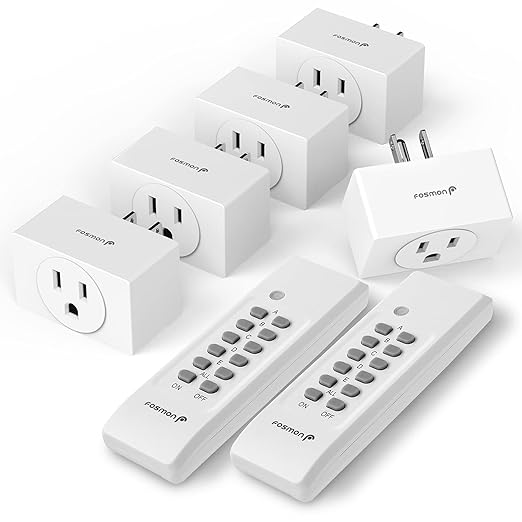
Remote Control Wireless Plugs

Lighting plays a crucial role in creating an effective learning environment. Using remote control outlet plugs for lamps can simplify your classroom management, enhance safety, and provide flexibility in controlling the lighting. Here’s how you can use remote control outlet plugs to manage your classroom lamps more efficiently.

Why Use Remote Control Outlet Plugs for Lamps in the Classroom?

1. Convenient Lighting Control:
Turn lamps on and off with a remote from anywhere in the classroom, allowing you to adjust the lighting without interrupting your lesson.

2. Enhanced Classroom Safety:
Easily switch off lamps when they are not in use, reducing the risk of electrical hazards and preventing overheating.

3. Energy Efficiency:
Remote control outlet plugs help save energy by ensuring lamps are only on when needed, reducing electricity costs.

4. Flexible Lighting Options:
Quickly adjust lighting levels to suit different activities, whether it’s reading, group work, or presentations.

By thoughtfully incorporating these tech products, teachers can transform their classrooms into modern, innovative spaces. As technology continues to evolve, staying updated with the latest tools is essential for maximizing student potential and maintaining a competitive edge in education.

Invest in these tech products and watch your classroom transform into a hub of excitement and discovery, where learning knows no bounds.


Disclosure: This post contains affiliate links. If you use these links to buy something, we may earn a commission at no additional cost to you. Thank you for supporting our blog!

Education

Honoring Our Everyday Heroes: Teacher Appreciation

Teachers play a pivotal role in shaping the minds and hearts of the next generation. They inspire, educate, and empower students to reach their full potential, often going above and beyond to make a difference in their lives. As we celebrate Teacher Appreciation Week, it’s time to shine a spotlight on these unsung heroes who dedicate their time, energy, and passion to nurturing young minds. In this blog post, we’ll explore the invaluable contributions of teachers and share heartfelt ways to show appreciation for their tireless efforts.

Teachers wear many hats—they are educators, mentors, counselors, and role models rolled into one. Take a moment to reflect on the profound impact teachers have on students’ academic achievements, personal growth, and future success. From instilling a love of learning to providing guidance and support, teachers play a vital role in shaping the leaders of tomorrow.

Teacher Appreciation Week is the perfect opportunity to express gratitude and appreciation for the hard work and dedication of teachers. Take the time to write a heartfelt thank-you note, send a thoughtful email, or create a personalized message expressing your appreciation for a teacher who has made a positive impact in your life or your child’s life. Simple gestures of gratitude can go a long way in brightening a teacher’s day and reminding them of the profound difference they make.

Teachers often go above and beyond to ensure their students’ success, and it’s essential to celebrate their achievements and milestones along the way. Take the time to acknowledge and celebrate teachers’ accomplishments, whether it’s reaching a career milestone, receiving an award, or making a significant impact in the community. Organize a special recognition ceremony, host a celebratory luncheon, or create a commemorative keepsake to honor their dedication and contributions.

Show your support for teachers by advocating for policies and initiatives that prioritize their well-being, professional development, and classroom needs. Invest in resources and tools that enhance teachers’ ability to deliver quality education and create engaging learning experiences for their students. Whether it’s funding for classroom supplies, access to professional development opportunities, or support for mental health and wellness, providing resources and support is essential for empowering teachers to thrive.

Teacher appreciation should extend beyond Teacher Appreciation Week and become an integral part of school culture year-round. Encourage students, parents, administrators, and the community to actively participate in showing appreciation for teachers through ongoing gestures of gratitude, recognition, and support. Foster a culture of appreciation where teachers feel valued, respected, and empowered to continue making a difference in the lives of their students.

    As we celebrate Teacher Appreciation Week, let’s take the time to honor and celebrate the remarkable contributions of teachers who dedicate their lives to shaping the future. Whether it’s a simple thank-you note, a heartfelt gesture of appreciation, or advocating for their needs and well-being, let’s show our gratitude for the everyday heroes who inspire, educate, and empower generations to come. Together, let’s celebrate the extraordinary impact of teachers and create a world where their contributions are truly valued and celebrated.

    [Note: Adapt and personalize these ideas to fit the unique needs and culture of your school community.]

    Education

    Empowering Students with Special Needs: Tips for Special Education Teachers

    Special education teachers have a unique role in the education system. They play a critical role in supporting students with special needs to achieve their full potential. It’s a challenging but rewarding job that requires patience, dedication, and a deep understanding of each student’s unique needs. In this blog, we’ll be sharing some tips for special education teachers that can help them empower their students and create a positive learning environment.

    1. Build strong relationships with your students:

    One of the most important things a special education teacher can do is to build strong relationships with their students. This involves getting to know each student’s strengths and challenges, learning their interests, and understanding their learning style. By building strong relationships with your students, you can create a safe and supportive learning environment where students feel comfortable expressing themselves and taking risks.

    2. Use a variety of teaching strategies:

    Students with special needs often have different learning styles than their peers. As a special education teacher, it’s essential to use a variety of teaching strategies to cater to each student’s individual needs. Some students may learn best through visual aids, while others may prefer hands-on activities or verbal instruction. By using a variety of teaching strategies, you can ensure that each student has access to the information they need to succeed.

    3. Set clear expectations and goals:

    Setting clear expectations and goals is essential for any classroom, but it’s especially important for students with special needs. By setting clear expectations, you can help students understand what is expected of them and how they can achieve success. Additionally, by setting goals, you can help students focus on their strengths and work towards achieving their full potential.

    4. Use positive reinforcement:

    Positive reinforcement is a powerful tool that can help students with special needs feel motivated and encouraged. As a special education teacher, it’s essential to provide positive feedback and praise when your students make progress or achieve their goals. This can help boost their confidence and encourage them to continue working towards success.

    In conclusion, being a special education teacher is a challenging but rewarding job. By building strong relationships with your students, using a variety of teaching strategies, setting clear expectations and goals, and using positive reinforcement, you can help empower your students and create a positive learning environment. Remember that every student is unique, and by understanding their individual needs, you can help them achieve their full potential.