
-
Understanding Anxiety: Breaking Down the Invisible Struggle
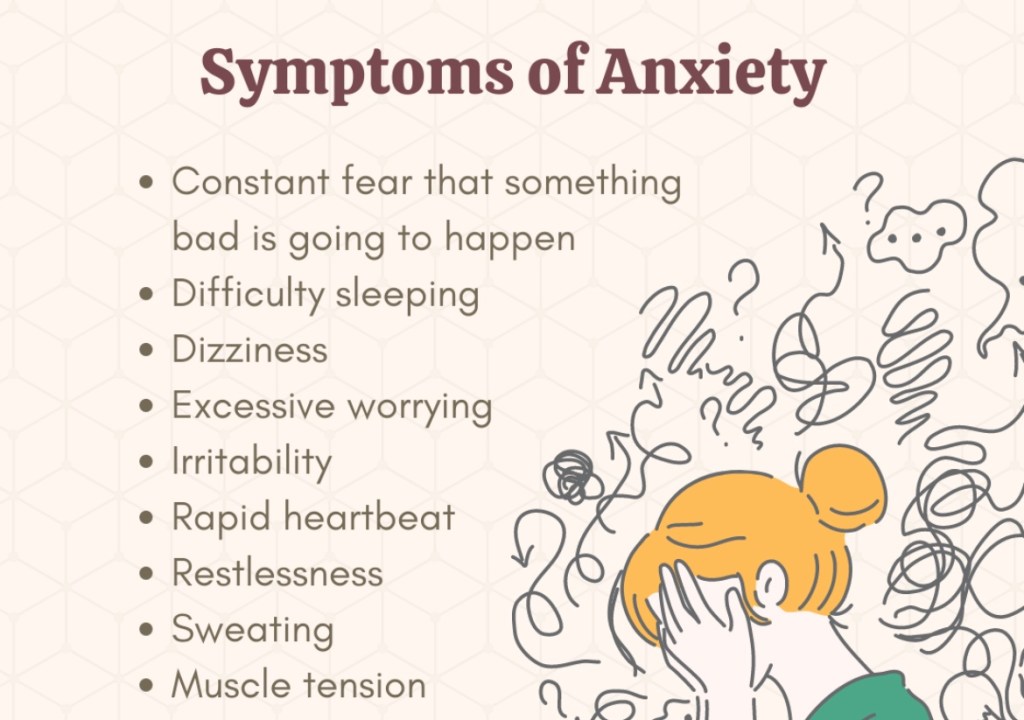
Anxiety is more than just a feeling of worry or nervousness; it’s a complex and often invisible struggle that impacts millions of people worldwide. From generalized anxiety disorder to social anxiety, panic disorder to specific phobias, anxiety manifests in various forms and affects individuals differently.
At its core, anxiety is the body’s natural response to stress, triggering a cascade of physiological and psychological reactions. While some level of anxiety is normal and can even be beneficial in certain situations, such as motivating us to prepare for challenges, it becomes problematic when it interferes with daily life and well-being.
One of the challenges of anxiety is its invisibility. Unlike physical ailments that are often readily apparent, anxiety can hide beneath the surface, silently tormenting those who suffer from it. This invisibility can lead to misunderstandings and misconceptions, with individuals struggling to articulate their experiences or feeling ashamed to seek help.
Moreover, anxiety can manifest in a myriad of symptoms, ranging from racing thoughts and restlessness to trembling, sweating, and even panic attacks. These symptoms can be debilitating, making it difficult for individuals to function at work, school, or in social situations.
The stigma surrounding mental health further complicates the issue, causing many to suffer in silence rather than seeking the support they need. However, it’s essential to recognize that anxiety is a common and treatable condition. Through therapy, medication, lifestyle changes, and coping strategies, individuals can learn to manage their anxiety and reclaim their lives.
Furthermore, raising awareness and fostering open conversations about anxiety is crucial in breaking down stigma and providing support to those who need it. By sharing our experiences, offering empathy, and educating ourselves and others, we can create a more compassionate and understanding society for those living with anxiety.
If you or someone you know is struggling with anxiety, know that help is available. Reach out to a mental health professional, confide in a trusted friend or family member, or explore resources and support groups online. Remember, you are not alone, and there is hope for a brighter, more manageable future beyond anxiety’s grasp.
-
Accountability: The Key to Personal Growth and Emotional Well-being ✨

In our journey through life, we often find ourselves grappling with a multitude of emotions. Sometimes, these emotions can be overwhelming, making it tempting to shift the blame onto others rather than facing our own actions and their consequences. However, this deflection may provide temporary relief, but it hinders our personal growth and resolution. It’s like putting a band-aid on a wound that requires proper care. 🩹🤕
Instead, we need to embrace accountability as a powerful tool for growth. Taking accountability allows us to confront our emotions head-on and take steps towards healing and personal development. It’s not about dwelling in guilt or beating ourselves up; it’s about acknowledging our role in the situations we find ourselves in. By recognizing our emotions and understanding their source, we can take responsibility for how we choose to respond to them. 🎤 ✨ MIC DROP ✨
Let’s challenge ourselves to shift our perspective. Instead of projecting our feelings onto others, let’s ask ourselves the tough questions, reflect on our actions, and strive to make positive changes in our lives. We are the creators of our own reality, and by embracing accountability, we empower ourselves to shape a future filled with authenticity, compassion, and personal fulfillment.
Have you ever caught yourself projecting feelings? Remember, solutions are just a conversation away. 🌟🤝💕
AccountabilityMatters #EmotionalGrowth #PersonalDevelopment #SelfReflection #Authenticity #Compassion #Inspiration #SupportEachOther
-
5 Types of Friend

We, as people, thrive off of the relationships we have with others. We value the experiences we have with those who we consider as part of our inner circle. All friendships are different as they each add value to our life which is why we choose to keep them. In life, we need these 5 friends!!

Covenant Friend
The very first one is the covenant friend. This is the one who is your ride or die. They are always there for you. Unlike traditional friendships, covenant friendships involve an explicit agreement to support and care for each other through all of life’s ups and downs. Friends in a covenant bond share similar beliefs, principles, and aspirations, allowing them to support and motivate each other in their pursuits.
Spiritual Friend
This is the person that will pray for you. This is the person that you go to for advice…spiritual advice when you are down. Spiritual friendship is learning to see the worth God has placed in each person and appreciating the gifts individuals have to offer.

Confidante Friend
This one is really hard to come by. This is who you go to when you have life decisions. This is the one you can share wins with. Sometimes we can’t share wins with people because they are jealous. This person right here…you can share your win and they will tell you that you did a good job.
Hospitable Friend
This person cares about your well-being. This person ask “How are you doing?” They care about your heart. Do you have that friend? If you don’t have that friend, you need to seek out that friend.
Hitman Friend
Lastly, we have a hitman. Do you you know what a hitman does? You tell them that something bad happened to you and they are ready to jump in and fight. You need that friend!
Sometimes you can have a friend that can be more than 2 or 3 on this list, you need to go tell that person thank you! If you don’t have any of those friends, you need to start putting capital into other people. You can’t do life alone. You have to have people in your life. So who do you have in your circle?

-
The Power of Forgiveness: Healing Yourself and Others


Forgiveness is a profound and often misunderstood concept. It’s not just about letting go of grudges or pardoning someone’s actions; it’s a path to healing, growth, and personal liberation. Forgiveness is something you do for yourself. Remember that forgiveness doesn’t mean you have to tell the other person that you forgive them. You don’t even have to let them back into your life. Forgiveness does not mean forgetting. It doesn’t mean what happened was okay. Forgiveness gives you your power, and your love for yourself and your life back.The Benefits of Forgiveness
Forgiveness is a gift you give to yourself, and its rewards are profound:
1. Emotional Freedom: Letting go of anger and resentment liberates you from the emotional chains that bind you. It allows you to experience greater peace and happiness.
2. Improved Mental Health: Forgiveness reduces stress, anxiety, and depression. It can lead to enhanced mental well-being and resilience.
3. Better Relationships: Forgiving others can strengthen relationships and promote trust and intimacy.
4. Physical Health: Studies have shown that forgiveness is associated with lower blood pressure, improved heart health, and a stronger immune system.
5. Personal Growth: Forgiving can be a transformative process that leads to increased self-awareness, empathy, and personal growth.
Steps Toward Forgiveness
Forgiveness is a journey, and it may not happen overnight. Here are some steps to help you embrace forgiveness in your life:
1. Acknowledge Your Feelings: Start by recognizing and allowing yourself to feel the pain, anger, and hurt caused by the offense.
2. Empathize: Try to see the situation from the other person’s perspective. Understanding their motivations or struggles can make forgiveness easier.
3. Decide to Forgive: Make a conscious decision to let go of your resentment and anger. Remember that forgiveness is primarily for your benefit.
4. Communicate (if possible): If it’s appropriate and safe, consider discussing the issue with the person who hurt you. Communication can lead to resolution and understanding.
5. Practice Self-Compassion: Be kind to yourself during this process. Self-forgiveness is just as important as forgiving others.
6. Set Boundaries: Forgiveness doesn’t mean allowing the same harm to recur. Establish healthy boundaries to protect yourself.
7. Seek Support: It’s okay to seek support from friends, family, or a therapist as you navigate the journey of forgiveness.
8. Let Go: Ultimately, forgiveness is about releasing the negative emotions and the desire for revenge. You’re choosing to move forward with your life.
The Liberating Act of Forgiveness
Forgiveness is a profound act of courage and compassion. It’s not about forgetting or excusing harm but about freeing yourself from the burden of holding onto anger and resentment. By embracing forgiveness, you can heal emotional wounds, improve your well-being, and foster healthier relationships. Remember, forgiveness is a gift you give to yourself, and it has the power to transform your life in remarkable ways.
-
Vital Importance of Teacher Self-Care

As educators, our days are often a whirlwind of lessons, assessments, meetings, and the myriad of responsibilities that come with shaping young minds. In the hustle and bustle of our profession, we sometimes forget the most critical lesson: the importance of teacher self-care. Self-care is vital for educators and offer practical tips to help you prioritize your well-being.
The Unsung Heroes of Education: Teachers
Teachers are often described as heroes in the world of education, and rightfully so. They inspire, guide, and empower the next generation. However, even heroes need time to recharge their superpowers. Here’s why teacher self-care is so crucial:
1. Compassion Fatigue: Teachers are empathetic by nature, but the emotional toll of supporting students through challenges can lead to compassion fatigue. Without self-care, burnout can loom.
2. Model for Students: We teach our students the value of self-care, both implicitly and explicitly. By practicing it ourselves, we set a powerful example.
3. Improved Classroom Atmosphere: When educators are physically and mentally well, the classroom environment is more positive and productive. Students benefit from a teacher who is at their best.
Practical Teacher Self-Care Tips
Now that we’ve established why self-care is crucial, let’s dive into some practical tips to make it an integral part of your routine:
1. Prioritize Sleep: Aim for 7-9 hours of quality sleep per night. A well-rested teacher is more patient, creative, and effective.
2. Set Boundaries: Establish clear boundaries between work and personal life. Avoid bringing work home regularly.
3. Practice Mindfulness: Incorporate mindfulness techniques into your day, such as meditation, deep breathing, or short mindful pauses.
4. Connect with Colleagues: Build a supportive network of fellow educators. Share experiences, challenges, and triumphs.
5. Pursue Hobbies: Engage in activities that bring you joy and relaxation outside of the classroom. Whether it’s painting, hiking, or playing an instrument, nurturing your interests is essential.
6. Exercise Regularly: Physical activity releases endorphins, reducing stress and boosting mood. Find a fitness routine that suits your preferences and schedule.
7. Seek Professional Support: Don’t hesitate to reach out to a counselor or therapist if you’re struggling with the demands of teaching. It’s a sign of strength, not weakness.
8. Plan Regular Breaks: Make the most of school holidays and weekends to rest and rejuvenate. Avoid overloading your schedule during these times.
9. Practice Gratitude: Keep a gratitude journal to remind yourself of the positive aspects of your job and life. Reflecting on what you’re thankful for can boost your well-being.
10. Learn to Say No: It’s okay to decline additional responsibilities when you’re feeling overwhelmed. Saying no to extra tasks is saying yes to your self-care.
Remember that self-care is not selfish; it’s a necessity. By taking care of yourself, you become a better educator, role model, and advocate for your students. Prioritize self-care, and watch as your teaching journey becomes more rewarding and sustainable. After all, the best teachers are those who also take good care of themselves.
-
Sweet Delights Made Simple: 5 Quick and Easy Dessert Ideas

Sometimes, you crave a delectable dessert but don’t have hours to spend in the kitchen. Fear not! In this blog post, we present five quick and easy dessert ideas that will satisfy your sweet tooth without breaking a sweat. These delightful treats can be whipped up in no time, using simple ingredients you probably already have on hand. Get ready to indulge in these effortless and mouthwatering dessert creations!
Berry Parfait: Layered with goodness, a berry parfait is a refreshing and visually appealing treat. Simply alternate layers of Greek yogurt, fresh berries (such as strawberries, blueberries, or raspberries), and granola in a glass or a bowl. Repeat the layers until you reach the top, ending with a sprinkle of granola on the surface. This dessert is not only delicious but also packed with nutrients.

No Bake Chocolate Peanut Butter Bars: For all the chocolate and peanut butter enthusiasts out there, this dessert is a dream come true. In a mixing bowl, combine melted butter, crushed graham crackers, powdered sugar, and creamy peanut butter. Press the mixture into a baking dish lined with parchment paper. Pour melted chocolate over the top, and refrigerate until firm. Cut into bars and savor the irresistible combination of chocolate and peanut butter.

Grilled Fruit Skewers with Honey Drizzle: Take advantage of the summer season and fire up the grill for a delightful and healthy dessert. Thread chunks of your favorite fruits, such as pineapple, watermelon, and peaches, onto skewers. Grill the fruit skewers for a few minutes on each side until they have grill marks. Drizzle with honey and sprinkle with a pinch of cinnamon. The caramelized sweetness and smoky flavor make this a simple yet tantalizing dessert.

Three-Ingredient Nutella Mousse: Indulge in a velvety smooth Nutella mousse that requires only three ingredients. In a bowl, whisk together Nutella, heavy cream, and a pinch of salt until the mixture thickens and holds its shape. Divide the mousse into serving glasses and refrigerate for at least 30 minutes. Top with a dollop of whipped cream and a sprinkle of grated chocolate for an elegant and decadent treat.

Banana Ice Cream: For a guilt-free frozen dessert, transform ripe bananas into a creamy and delicious ice cream. Slice bananas and freeze them for a few hours. Once frozen, blend the banana slices in a food processor or blender until smooth and creamy. You can enjoy it as is or get creative by adding flavors like cocoa powder, vanilla extract, or a handful of frozen berries. Serve immediately for a delightful frozen treat.

With these five quick and easy dessert ideas, satisfying your sweet cravings has never been simpler. Whether you prefer a fruity delight, a rich chocolate treat, or a frozen delight, these recipes offer a range of flavors and textures to please every palate. So, the next time you’re short on time but longing for a delicious dessert, give one of these delightful creations a try. Get ready to indulge in the magic of easy homemade desserts!
-
Bridging the Gap: Strategies for Addressing Learning Gaps in the Classroom

In every classroom, students come with diverse backgrounds, abilities, and prior knowledge. As an educator, it is crucial to recognize and address learning gaps to ensure that all students have an equal opportunity to succeed. By implementing effective strategies, teachers can bridge these gaps and provide targeted support to help students catch up and thrive academically. There are various approaches and techniques to address learning gaps in the classroom.
- Identifying Learning Gaps: To effectively address learning gaps, teachers must first identify them. This can be done through formative assessments, analyzing student work, and observing students’ understanding during classroom activities. By understanding where students are struggling, teachers can develop a targeted plan to address those specific areas.
- Differentiating Instruction: One of the key strategies for addressing learning gaps is through differentiated instruction. This approach involves tailoring instruction to meet the individual needs of students. Teachers can provide additional support or challenging activities based on students’ specific needs. Differentiated instruction allows students to progress at their own pace and ensures that they receive the necessary support to bridge their learning gaps.
- Small-Group Instruction: Implementing small-group instruction can be highly effective in addressing learning gaps. Teachers can create small groups based on similar areas of need and provide focused instruction to these groups. This approach allows teachers to provide targeted interventions and support while promoting collaboration among students.
- Individualized Learning Plans: For students with significant learning gaps, developing individualized learning plans (ILPs) can be beneficial. ILPs outline specific goals, strategies, and accommodations to help students make progress. These plans can involve personalized instruction, extra practice, or additional resources tailored to the individual student’s needs.
- Utilizing Technology: Technology can play a significant role in addressing learning gaps. Educational apps, online resources, and adaptive learning platforms can provide personalized and interactive learning experiences. Teachers can leverage technology to deliver targeted instruction, provide additional practice opportunities, and offer immediate feedback to students.
- Collaborative Learning: Peer collaboration can be a powerful tool in addressing learning gaps. Teachers can facilitate cooperative learning activities where students work together to solve problems, explain concepts to each other, and learn from their peers. This approach fosters a supportive classroom community and allows students to learn from diverse perspectives.
- Ongoing Formative Assessment: Regular formative assessment is crucial for monitoring students’ progress and identifying persistent learning gaps. By collecting and analyzing data, teachers can adjust their instructional strategies and provide timely interventions. Ongoing assessment helps to ensure that students are continually supported in their learning journey.
Addressing learning gaps is a critical responsibility of educators. By implementing targeted strategies, such as differentiated instruction, small-group instruction, individualized learning plans, and leveraging technology, teachers can provide the necessary support for students to bridge their learning gaps. It is essential to foster a supportive and inclusive learning environment where all students have the opportunity to succeed and reach their full potential. By addressing learning gaps, we can empower our students to become confident, lifelong learners.
-
Give People Grace and Kindness…EVERYDAY!!
Checking in on your strong friends isn’t enough.
When you hear the phrase “Check on your strong friends”, it’s not even about checking in on us. Many times when you check on your strong friends, they will tell you “I’m okay!” “I’m fine!” Many times we’re not. We just don’t want to sit and share what we are going through because many times we feel like a burden or that our burden or concerns are way too heavy for you. We have trained ourselves to say “I’m okay” and smile.
Being the strong friend…you are the person that everyone comes to when they are sad, anxious, worried, stressed, and depressed. It’s usually the strong friends that needs the most support and gets the least. The strong friend is always expected to have it together, to think positive, to not worry, to not be upset, to not be scared because that is what we always do for other people. At the end of the day, we take on everyone else’s stuff and carry our own by ourselves.
So instead of just checking on your strong friends, how about giving your family and friends some grace when they are going through something and not making them feel like a burden or make them feel like their issues are too heavy for you. If you are overwhelmed with your own issues, that’s okay but offer some guidance or support for them to be able to speak to. That’s so much bigger than checking on your strong friends.
-
The Art of Setting Boundaries: Nurturing Healthy Relationships and Self-Care


Subscribe to continue reading
Subscribe to get access to the rest of this post and other subscriber-only content.
-
Top 10 Best Makeup Products for a Flawless Look

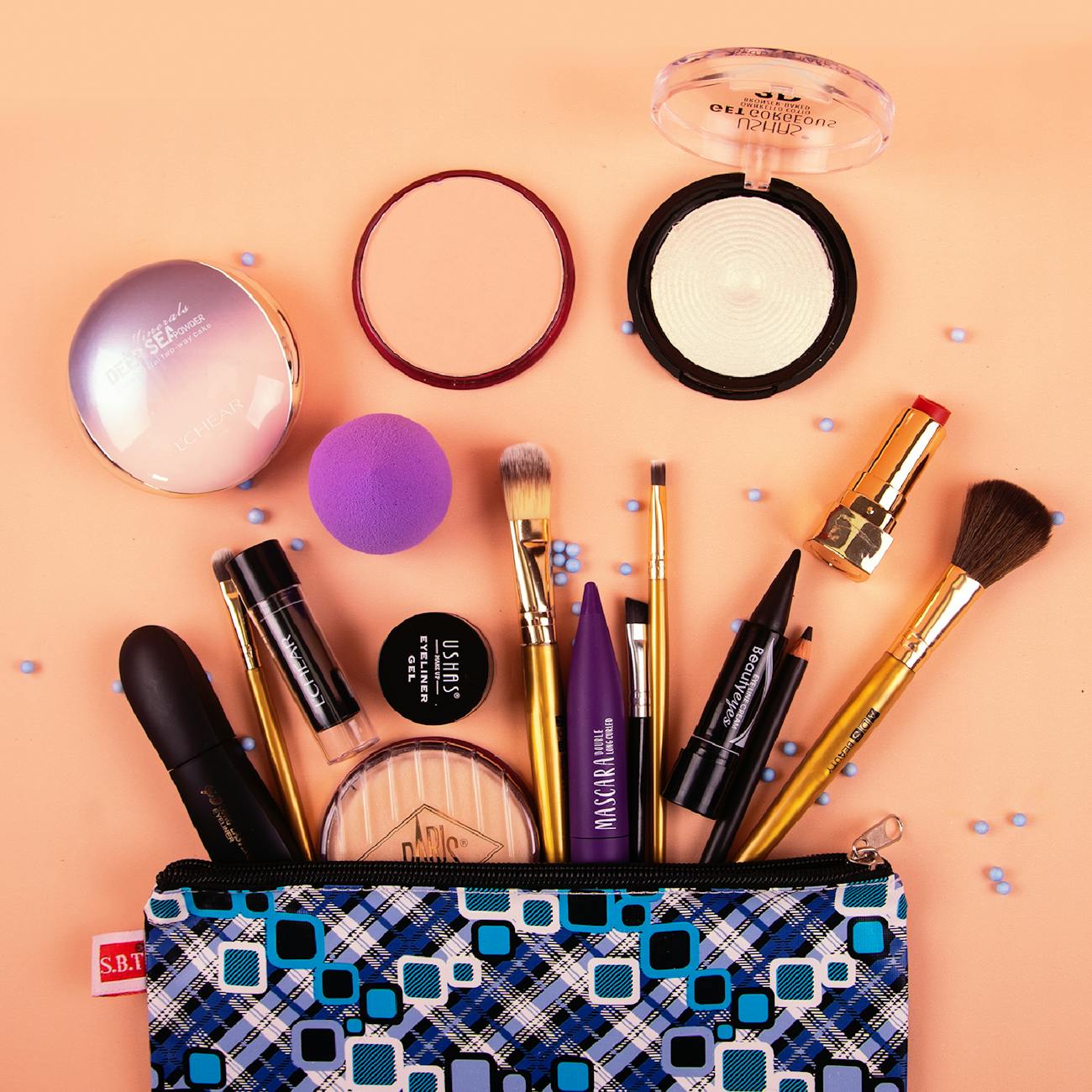
Photo by Jhong Pascua on Pexels.com Please note that some of the links in this post are affiliate links, which means I may earn a commission if you click on the link and make a purchase. However, this comes at no additional cost to you. I only recommend products that I have personally used and believe in. Thank you for supporting my blog.
Keep in mind: Price and stock could change after publish date.
Makeup is an essential part of our daily routine, and choosing the right products can be overwhelming with the vast variety of brands and options available. To make your makeup shopping easier, we’ve compiled a list of the top 10 best makeup products based on customer reviews and expert opinions.
- Foundation: Giorgio Armani Luminous Silk Foundation This foundation is a favorite among makeup artists and beauty enthusiasts alike. It provides buildable coverage with a natural, luminous finish, making it perfect for all skin types.
Giorgio Armani Luminous Silk Foundation

2. Concealer: Tarte Shape Tape Concealer Tarte Shape Tape Concealer is a full-coverage concealer that is highly pigmented and easy to blend. It’s perfect for concealing dark circles and blemishes, and it doesn’t crease or settle into fine lines.

3. Powder: Laura Mercier Translucent Loose Setting Powder This powder is a cult favorite among beauty enthusiasts. It sets makeup without adding any additional color or texture, and it helps control shine throughout the day.
Laura Mercier Translucent Loose Setting Powder

4. Mascara: Too Faced Better Than Sex Mascara This mascara provides voluminous lashes without clumping or flaking. The hourglass-shaped brush coats every lash for a dramatic look that lasts all day.
Too Faced Better Than Sex Mascara

5. Eyeliner: Stila Stay All Day Waterproof Liquid Eye Liner This eyeliner has a precise tip that makes it easy to create a perfect winged eyeliner. It’s waterproof and long-wearing, making it perfect for all-day wear.
Stila Stay All Day Waterproof Liquid Eye Liner

6. Eyeshadow: Urban Decay Naked Eyeshadow Palette The Urban Decay Naked Eyeshadow Palette is a classic for a reason. It features 12 neutral shades that can be used to create a variety of looks, from natural to smokey.
Urban Decay Naked Eyeshadow Palette

7. Blush: NARS Blush in Orgasm NARS Blush in Orgasm is a universally flattering peachy-pink shade that adds a natural-looking flush to the cheeks. The formula is highly pigmented, long-wearing, and blends easily.

8. Highlighter: Fenty Beauty Killawatt Freestyle Highlighter This highlighter comes in a variety of shades and finishes, from subtle to blinding. The formula is smooth, blendable, and long-wearing, making it perfect for all skin types.
Fenty Beauty Killawatt Freestyle Highlighter

9. Lipstick: MAC Cosmetics Matte Lipstick in Ruby Woo This classic red lipstick is a staple in many makeup collections. It has a matte finish that lasts all day, and the blue undertones make teeth look whiter.
MAC Cosmetics Matte Lipstick in Ruby Woo

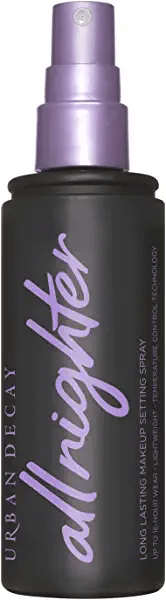
10. Setting Spray: Urban Decay All Nighter Long-Lasting Makeup Setting Spray This setting spray is a must-have for anyone who wants their makeup to last all day. It helps control shine, prevent makeup from fading or melting, and it doesn’t leave any residue on the skin.
Urban Decay All Nighter Long-Lasting Makeup Setting Spray
These top 10 best makeup products are highly rated and loved by makeup enthusiasts and professionals alike. However, every individual has unique preferences and skin types, so it is important to find products that work for you and your specific needs.

 Coffee IEPS Chaos