
-
7 Effective Strategies for Supporting Students with Special Needs in the Classroom

As teachers, it is important to create a supportive and inclusive learning environment for all students, including those with special needs. It can be challenging to provide the necessary support and accommodations, but with the right strategies, teachers can create an environment that meets the needs of all learners. In this blog post, we will explore some strategies for supporting students with special needs.
- Collaborate with Special Education Teachers and Other Professionals Collaboration is key when it comes to supporting students with special needs. Regular communication with special education teachers and other professionals, such as speech therapists and occupational therapists, can help ensure that all students receive the support they need. It is also important to involve parents or guardians in the collaboration process.
- Provide Accessible Instructional Materials Students with special needs may require different types of instructional materials or assistive technology to access the curriculum. Providing accessible instructional materials, such as audio books or braille, can help these students succeed.
- Use Multi-Sensory Instruction Multi-sensory instruction engages multiple senses, such as sight, sound, and touch, to help students learn. This approach can be particularly effective for students with special needs, such as those with learning disabilities or autism. For example, using manipulatives or visual aids can help students better understand concepts.
- Differentiate Instruction Differentiated instruction involves tailoring instruction to meet the needs of individual students. This approach can be particularly effective for students with special needs, who may require different types of instruction or accommodations. For example, providing extra time for assignments or breaking down complex tasks into smaller, more manageable steps can be helpful.
- Use Positive Reinforcement Positive reinforcement can be an effective strategy for motivating students with special needs. Praise and rewards, such as stickers or extra recess time, can help reinforce positive behaviors and encourage students to continue working hard.
- Create a Structured Environment A structured environment can help students with special needs feel more secure and comfortable. Creating a predictable routine and consistent expectations can help students know what to expect and reduce anxiety.
- Foster a Positive Classroom Culture Creating a positive classroom culture can help all students, including those with special needs, feel valued and included. Encouraging teamwork, empathy, and respect can help students build relationships and feel more connected to their classmates.
Supporting students with special needs requires a collaborative, multi-faceted approach. By using these strategies and adapting instruction to meet the needs of individual students, teachers can create an inclusive and supportive learning environment for all learners.
-
Genius Mom Hacks for Everyday Life

As a mom, there are always a million things to do in a day, and sometimes it can feel like there’s just not enough time to get everything done. But with a little creativity and ingenuity, there are some simple mom hacks you can use to make your life easier and more efficient.
- Use a meal planner: Meal planning is a lifesaver when it comes to saving time and avoiding last-minute takeout. I like to plan out meals for the week on Sunday and create a grocery list to make sure I have all the necessary ingredients. This also helps me avoid the dreaded question “what’s for dinner?”
- Prep snacks in advance: Having snacks ready to go is a must for busy days. I like to pre-cut fruits and veggies and store them in containers in the fridge. This makes it easy to grab and go when we’re in a rush.
- Use a hanging shoe organizer for small toys: Small toys can easily get lost or become cluttered. I use a hanging shoe organizer and hang it on the back of my daughter’s door. It’s perfect for storing small toys, art supplies, and even socks!
- Create a cleaning schedule: With so much to do as a mom, it’s easy for cleaning to fall to the wayside. Creating a cleaning schedule helps me stay on top of things. I divide tasks by day and tackle them in smaller chunks throughout the week.
- Keep wipes in every room: I like to keep wipes in every room, so I don’t have to go searching for them when I need them. Wipes are a mom’s best friend. Keep a stash in every room for easy cleanups.
- Use a whiteboard for reminders: With so much going on, it’s easy to forget things. I like to use a whiteboard to write down reminders, to-do lists, and important dates. This way, I always have a visual reminder of what needs to be done.
These are just a few mommy hacks that I use on a daily basis to make life a little bit easier. Every mom has their own tricks up their sleeve, and it’s all about finding what works for you and your family.
-
The Benefits of Collaborative Learning: Enhancing Student Learning through Group Work
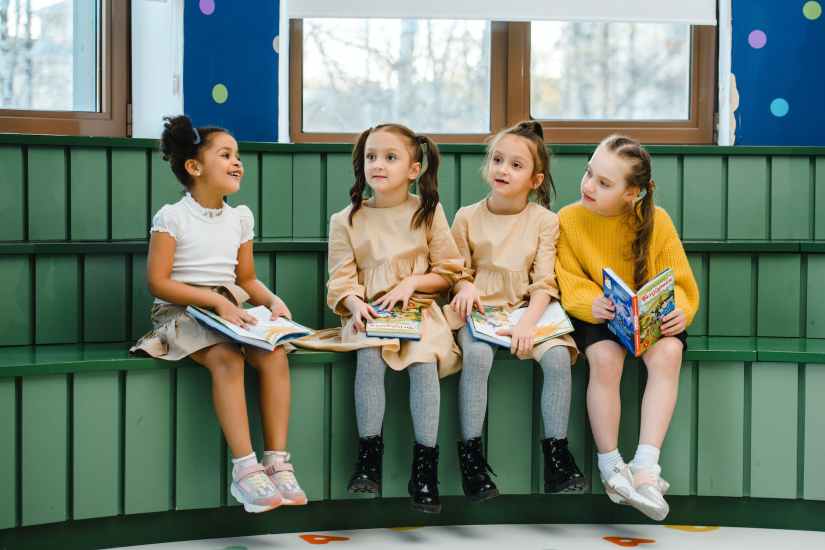
Collaborative learning, or group work, is an approach that emphasizes the importance of working together in the classroom. When students work together on a project or activity, they are able to share ideas, perspectives, and knowledge, which can lead to a deeper understanding of the material.
Advantages of Collaborative Learning
- Improved Critical Thinking Skills: When students work in groups, they are encouraged to think critically about the material and discuss different viewpoints. This process helps them to develop higher-order thinking skills such as analysis, evaluation, and synthesis.
- Increased Engagement: Collaborative learning can increase student engagement in the classroom. When students work together, they are more likely to be invested in the material and motivated to learn.
- Enhanced Communication Skills: Collaborative learning requires students to communicate effectively with each other. This can help them develop important communication skills such as active listening, speaking clearly, and providing constructive feedback.
- Diverse Perspectives: When students work in groups, they bring their unique experiences and perspectives to the table. This diversity can lead to a more robust and nuanced understanding of the material.
- Improved Social Skills: Collaborative learning can help students develop important social skills such as teamwork, conflict resolution, and leadership.
Personal Experiences with Collaborative Learning
As a teacher, I have seen the benefits of collaborative learning firsthand. When I assign group work, I notice that students are more engaged and excited to learn. They are able to ask questions and get feedback from their peers, which can lead to a deeper understanding of the material. In addition, I find that students are more likely to take ownership of their learning when they are working in groups.
Research on Collaborative Learning
Research supports the benefits of collaborative learning. For example, a study published in the Journal of Educational Psychology found that students who worked in groups outperformed those who worked individually on measures of critical thinking and problem-solving. Another study published in the International Journal of Educational Research found that collaborative learning can increase student motivation and engagement.
Incorporating Collaborative Learning into the Classroom
Here are some strategies for incorporating collaborative learning into your classroom:
- Set Clear Expectations: Before assigning group work, set clear expectations for what you want students to accomplish and how they should work together.
- Provide Support: Provide support for students as they work in groups. This could include providing feedback, facilitating discussions, and resolving conflicts.
- Mix Up Groups: Mix up the groups regularly to ensure that students are exposed to different perspectives and working styles.
- Assign Roles: Assign roles within the group to ensure that everyone has a specific responsibility and that the workload is evenly distributed.
- Use Technology: Consider using technology to facilitate group work. For example, you could use a collaboration tool like Google Docs to allow students to work on a project together in real-time.
Collaborative learning can be an effective way to enhance student learning. By providing opportunities for students to work together, we can help them develop critical thinking skills, communication skills, and social skills. Moreover, research shows that collaborative learning can increase motivation and engagement. By incorporating collaborative learning into our teaching practice, we can help our students become effective and collaborative problem-solvers who are prepared for success in the 21st century.
-
Top 10 Kitchen Products from Amazon


Keep in mind: Price and stock could change after publish date, and we may make money from these affiliate links.
As one of the world’s largest online marketplaces, Amazon has no shortage of kitchen items for any home cook or chef. With so many options available, it can be overwhelming to decide which products are worth purchasing. To make things easier, we’ve rounded up the top 10 kitchen items from Amazon that every home cook should consider adding to their collection.
- Instant Pot Duo Nova Pressure Cooker
The Instant Pot Duo Nova Pressure Cooker is an all-in-one multi-cooker that can replace up to 7 kitchen appliances, including a pressure cooker, slow cooker, rice cooker, and more. It features 14 one-touch smart programs and can cook up to 70% faster than traditional cooking methods, making it a must-have for busy home cooks.
Instant Pot Duo Nova Pressure Cooker

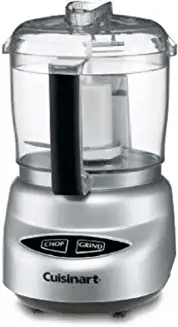
2. Cuisinart DLC-2ABC Mini Prep Plus Food Processor
This compact food processor is perfect for small kitchens and can handle a variety of tasks, from chopping vegetables to grinding nuts. Its 3-cup capacity is just the right size for making sauces, dips, and dressings, and it comes with a reversible stainless-steel blade for easy processing.
Cuisinart DLC-2ABC Mini Prep Plus Food Processor
3. Lodge Cast Iron Skillet
A cast-iron skillet is a versatile tool in any kitchen, and the Lodge Cast Iron Skillet is one of the best on the market. It’s pre-seasoned and can go from stovetop to oven, making it perfect for searing, sautéing, and baking.

4. OXO Good Grips 3-Piece Mixing Bowl Set
A set of mixing bowls is essential for any home cook, and the OXO Good Grips set is a great choice. The bowls have non-slip bottoms and easy-to-read measurement markings, and they nest for easy storage.
OXO Good Grips 3-Piece Mixing Bowl

5. KitchenAid Artisan Stand Mixer
The KitchenAid Artisan Stand Mixer is a classic kitchen tool that can handle a variety of tasks, from mixing dough to whipping cream. It comes with a range of attachments, including a flat beater, dough hook, and wire whisk, and is available in a range of colors to match any kitchen.
KitchenAid Artisan Stand Mixer

6. Pyrex Glass Measuring Cups
Pyrex Glass Measuring Cups are a must-have in any kitchen. They’re heat-resistant and can be used in the microwave and dishwasher, and they come in a range of sizes for all your measuring needs.

7. Victorinox Fibrox Pro Chef’s Knife
A good chef’s knife is essential for any home cook, and the Victorinox Fibrox Pro Chef’s Knife is one of the best on the market. It’s affordable, sharp, and comfortable to hold, making it a great choice for both beginner and experienced cooks.
Victorinox Fibrox Pro Chef’s Knife

8. Oster Reverse Crush Counterforms Blender
A blender is a versatile tool in any kitchen, and the Oster Reverse Crush Counterforms Blender is a great choice for blending smoothies, soups, and more. It has a powerful motor and a unique blade design that pulls ingredients down for thorough blending.
Oster Reverse Crush Counterforms Blender

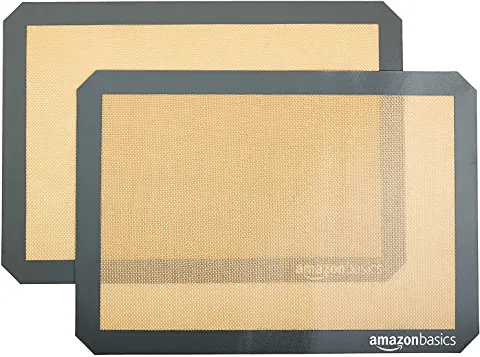
9. AmazonBasics Silicone Baking Mat
A silicone baking mat is a must-have for any home baker, and the AmazonBasics Silicone Baking Mat is an affordable and reliable option. It’s non-stick, heat-resistant, and can be used in the oven or microwave.
AmazonBasics Silicone Baking Mat
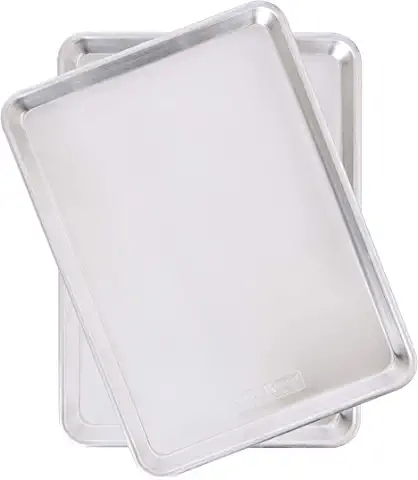
10. Nordic Ware Natural Aluminum Commercial Baker’s Half Sheet
A good baking sheet is essential for any home baker, and the Nordic Ware Natural Aluminum Commercial Baker’s Half Sheet is a great choice. It’s made of durable aluminum and has a non-stick surface for easy release.
Nordic Ware Natural Aluminum Commercial Baker’s Half Sheet
These top 10 kitchen items from Amazon will help you cook and bake like a pro in no time. Whether you’re a beginner or an experienced home cook, these tools will make your time in the kitchen
-
“Prioritizing Self-Care: The Key to Improved Well-Being”
Self-care is the practice of taking care of oneself in order to maintain physical, mental, and emotional well-being. It is a crucial aspect of our lives that we often neglect due to our busy schedules and hectic lifestyles. It is important to prioritize self-care as it can improve our quality of life and overall happiness.
Self-care can take many forms, from taking a relaxing bath to going for a walk in nature. It is important to find what works best for you and make it a regular part of your routine. Here are some self-care practices to consider:
- Exercise – Regular exercise can help improve your physical and mental well-being. It can also help alleviate stress and anxiety.
- Meditation – Taking a few minutes each day to meditate can help calm your mind and reduce stress.
- Journaling – Writing down your thoughts and feelings can help you process your emotions and improve your mental health.
- Eating a balanced diet – Eating a healthy and balanced diet can provide your body with the nutrients it needs to function properly.
- Getting enough sleep – Getting enough sleep is essential for our physical and mental well-being. Aim for 7-9 hours of sleep each night.
- Taking breaks – Taking breaks throughout the day can help reduce stress and increase productivity.
- Connecting with others – Spending time with loved ones can help improve your mood and reduce feelings of loneliness.
Remember, self-care is not selfish. It is necessary for our overall well-being and allows us to be the best version of ourselves for those around us. Make self-care a priority in your life and see the positive impact it can have on your mental and physical health.

-
10 Cleaning Hacks That Will Make Your Life Easier and Your Home Cleaner
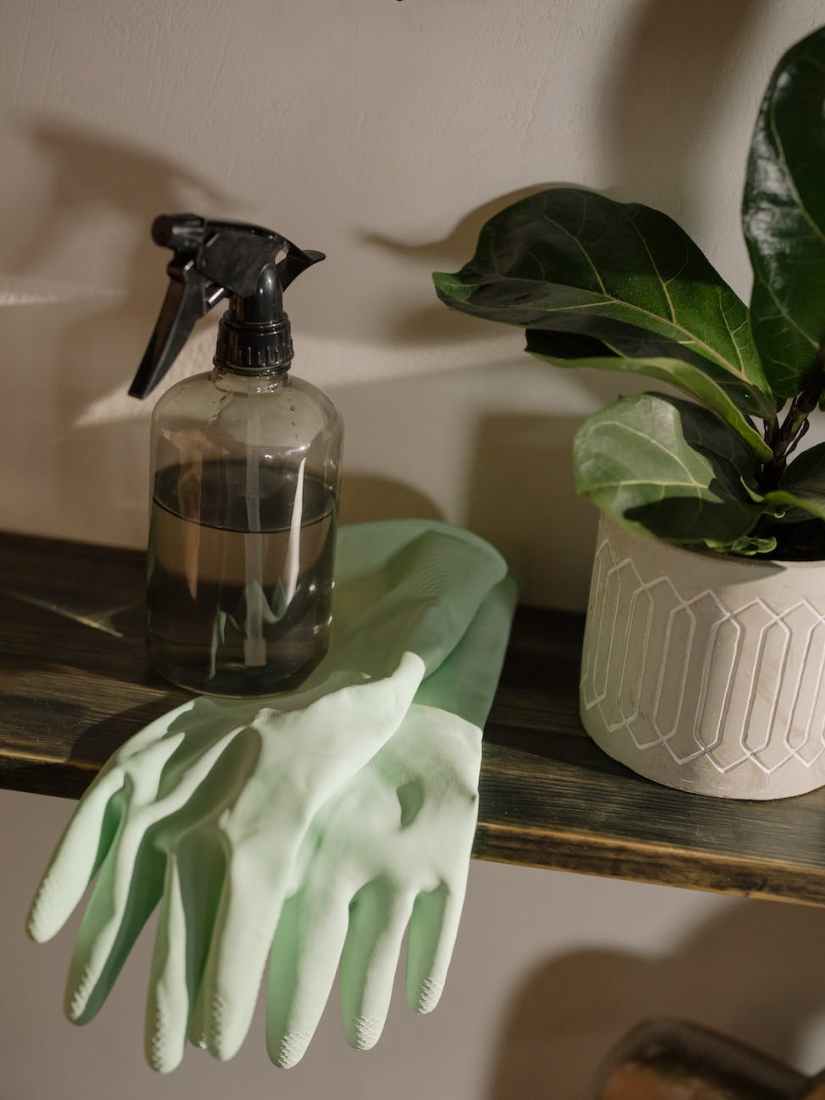
Keeping a clean and organized home can be a daunting task, but with the right cleaning hacks, it can be easier and more manageable. In this blog post, we’ll share some effective cleaning hacks that will save you time, money, and energy.
- Use vinegar for cleaning: Vinegar is an all-purpose cleaner that can be used to clean everything from windows and floors to kitchen appliances and bathroom fixtures. Mix vinegar with water and use it to wipe down surfaces for a natural and effective cleaning solution.
- Remove stains with baking soda: Baking soda is a powerful stain remover and can be used to clean carpets, clothing, and upholstery. Simply sprinkle baking soda on the stain, let it sit for a few minutes, and then blot it away with a clean cloth.
- Clean your showerhead with vinegar: Fill a plastic bag with vinegar, secure it over your showerhead with a rubber band, and let it sit overnight. In the morning, remove the bag and run hot water to flush out any remaining debris.
- Use dryer sheets for dusting: Dryer sheets are great for removing dust from surfaces and can be used to clean everything from electronics to blinds. Simply wipe the surface with a dryer sheet for a quick and easy clean.
- Use a lint roller to clean lampshades: Lampshades can be difficult to clean, but a lint roller can make the process a breeze. Simply roll the lint roller over the lampshade to remove dust and debris.
- Clean your microwave with lemon: Cut a lemon in half, squeeze the juice into a microwave-safe bowl, and add water. Microwave the bowl for a few minutes until the water boils and the steam cleans the inside of the microwave.
- Use newspaper for streak-free windows: Wipe your windows with a crumpled-up piece of newspaper for a streak-free shine. The newspaper acts as a gentle abrasive that helps to remove dirt and grime.
- Use coffee filters for cleaning electronics: Coffee filters are a gentle and effective way to clean screens and other electronics. Simply wipe the surface with a coffee filter for a dust-free clean.
- Clean your dishwasher with vinegar and baking soda: Run an empty cycle with vinegar and baking soda to remove any buildup and deodorize your dishwasher.
- Use a toothbrush for hard-to-reach places: A toothbrush is a great tool for cleaning hard-to-reach places like grout, corners, and small crevices. Dip the toothbrush in your cleaning solution and use it to scrub away dirt and grime.
These cleaning hacks are simple, effective, and can save you time and money in the long run. By incorporating these cleaning hacks into your routine, you can keep your home clean and organized without breaking a sweat. Try them out and see how they can make cleaning a more manageable task.
-
10 Fun and Easy DIY Home Decorating Ideas to Add Personality to Your Living Space

DIY home decor is an excellent way to add personal touches to your living space without breaking the bank. Whether you’re looking to revamp your entire home or just want to add a few decorative pieces, there are countless ways to get creative with DIY projects. In this blog post, we’ll share some fun and easy DIY home decor ideas to get your creative juices flowing.
- Upcycled furniture: Transform old furniture pieces into stylish and unique pieces with a little bit of paint and creativity. From dressers and bookshelves to coffee tables and nightstands, there are endless possibilities for upcycling.
- Gallery wall: Create a gallery wall of your favorite photos, prints, and artwork to add personality to any room in your home. Mix and match frames, sizes, and styles for a curated look.
- Mason jar crafts: Mason jars can be used for so much more than just canning. From candle holders and vases to storage containers and soap dispensers, mason jars are a versatile DIY staple.
- DIY wall art: Create your own wall art by painting or drawing your favorite designs onto canvases or frames. Or, repurpose items like old maps, sheet music, or fabric into unique wall decor.
- Succulent garden: Create a mini indoor garden with a collection of succulents in unique planters like teacups, terrariums, or DIY concrete planters.
- Fabric-covered furniture: Add a pop of color and pattern to plain furniture with fabric. From reupholstering chairs to creating fabric-covered headboards, this DIY project is an easy way to update your home decor.
- Chalkboard paint: Use chalkboard paint to create a fun and functional surface on walls, doors, and even furniture. Write messages, draw designs, and use it as a space for to-do lists or weekly meal plans.
- DIY lighting: Create unique lighting fixtures with materials like mason jars, wine bottles, or even wooden pallets. These DIY projects will add a rustic and charming touch to your home decor.
- Customized pillows: Transform plain pillows into custom pieces with a little bit of paint, stencils, or iron-on designs. Mix and match colors and patterns to create a cohesive look.
- Personalized doormat: Welcome guests to your home with a DIY doormat. Use stencils or vinyl lettering to create a personalized message or design.
DIY home decorating projects are a great way to add personality and style to your living space. With a little creativity and a few basic materials, you can transform old furniture, create custom artwork, and add unique touches to your home decor. Try out some of these DIY ideas and see how you can make your home decor truly your own.
-
The Importance of Creating a Positive Classroom Culture

Creating a positive classroom culture is an essential aspect of effective teaching. It’s not just about making the learning environment enjoyable for students; it’s also about creating an atmosphere where students feel safe, respected, and valued.
Why is a Positive Classroom Culture Important?
A positive classroom culture can have a significant impact on a student’s academic success and overall well-being. Here are some of the benefits of creating a positive classroom culture:
- Increased Engagement: When students feel comfortable and supported in the classroom, they’re more likely to participate and engage in the learning process.
- Improved Learning: A positive classroom culture can also improve learning outcomes. Students who feel respected and valued are more likely to be motivated to learn and are more open to feedback and guidance from their teachers.
- Enhanced Social Skills: Positive classroom cultures can promote healthy social and emotional development, helping students develop the skills they need to communicate effectively, collaborate, and work together.
- Reduced Stress: A positive classroom culture can also reduce stress and anxiety levels among students, which can lead to improved mental health and well-being.
How to Create a Positive Classroom Culture?
Creating a positive classroom culture isn’t always easy, but it’s essential for student success. Here are some tips for creating a positive classroom culture:
- Set Clear Expectations: Establishing clear expectations and guidelines for behavior in the classroom is an essential first step in creating a positive classroom culture. Communicate these expectations clearly and consistently, and make sure that all students understand them.
- Build Relationships: Building relationships with your students is key to creating a positive classroom culture. Take time to get to know your students, show an interest in their lives outside of school, and make an effort to connect with them on a personal level.
- Foster Collaboration: Encourage collaboration and teamwork in the classroom. Provide opportunities for students to work together on projects and assignments, and create a supportive and inclusive environment where all students feel valued.
- Celebrate Diversity: Celebrate diversity in your classroom by promoting and respecting different cultures, languages, and perspectives. This can help create a more inclusive environment and promote understanding and empathy among your students.
- Use Positive Reinforcement: Use positive reinforcement to encourage positive behavior in the classroom. Praise and reward students who demonstrate good behavior and academic achievement, and provide constructive feedback to help students improve.
Creating a positive classroom culture is essential for student success. By setting clear expectations, building relationships, fostering collaboration, celebrating diversity, and using positive reinforcement, you can create a classroom environment where students feel safe, respected, and valued.
-
Empowering Students with Special Needs: Tips for Special Education Teachers
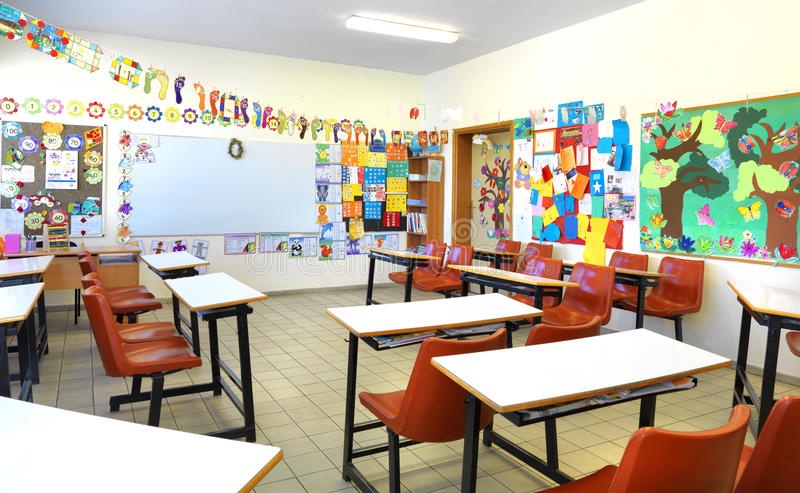
Special education teachers have a unique role in the education system. They play a critical role in supporting students with special needs to achieve their full potential. It’s a challenging but rewarding job that requires patience, dedication, and a deep understanding of each student’s unique needs. In this blog, we’ll be sharing some tips for special education teachers that can help them empower their students and create a positive learning environment.
1. Build strong relationships with your students:
One of the most important things a special education teacher can do is to build strong relationships with their students. This involves getting to know each student’s strengths and challenges, learning their interests, and understanding their learning style. By building strong relationships with your students, you can create a safe and supportive learning environment where students feel comfortable expressing themselves and taking risks.
2. Use a variety of teaching strategies:
Students with special needs often have different learning styles than their peers. As a special education teacher, it’s essential to use a variety of teaching strategies to cater to each student’s individual needs. Some students may learn best through visual aids, while others may prefer hands-on activities or verbal instruction. By using a variety of teaching strategies, you can ensure that each student has access to the information they need to succeed.
3. Set clear expectations and goals:
Setting clear expectations and goals is essential for any classroom, but it’s especially important for students with special needs. By setting clear expectations, you can help students understand what is expected of them and how they can achieve success. Additionally, by setting goals, you can help students focus on their strengths and work towards achieving their full potential.
4. Use positive reinforcement:
Positive reinforcement is a powerful tool that can help students with special needs feel motivated and encouraged. As a special education teacher, it’s essential to provide positive feedback and praise when your students make progress or achieve their goals. This can help boost their confidence and encourage them to continue working towards success.
In conclusion, being a special education teacher is a challenging but rewarding job. By building strong relationships with your students, using a variety of teaching strategies, setting clear expectations and goals, and using positive reinforcement, you can help empower your students and create a positive learning environment. Remember that every student is unique, and by understanding their individual needs, you can help them achieve their full potential.
-
5 Quick and Easy Dinner Recipes for Busy Weeknights
Are you tired of eating takeout or frozen meals on busy weeknights? With these quick and easy dinner recipes, you can have a delicious and healthy meal on the table in no time. From one-pot pasta to sheet pan dinners, these recipes are perfect for busy weeknights when you don’t have a lot of time to cook.
Recipe 1: One-Pot Pasta
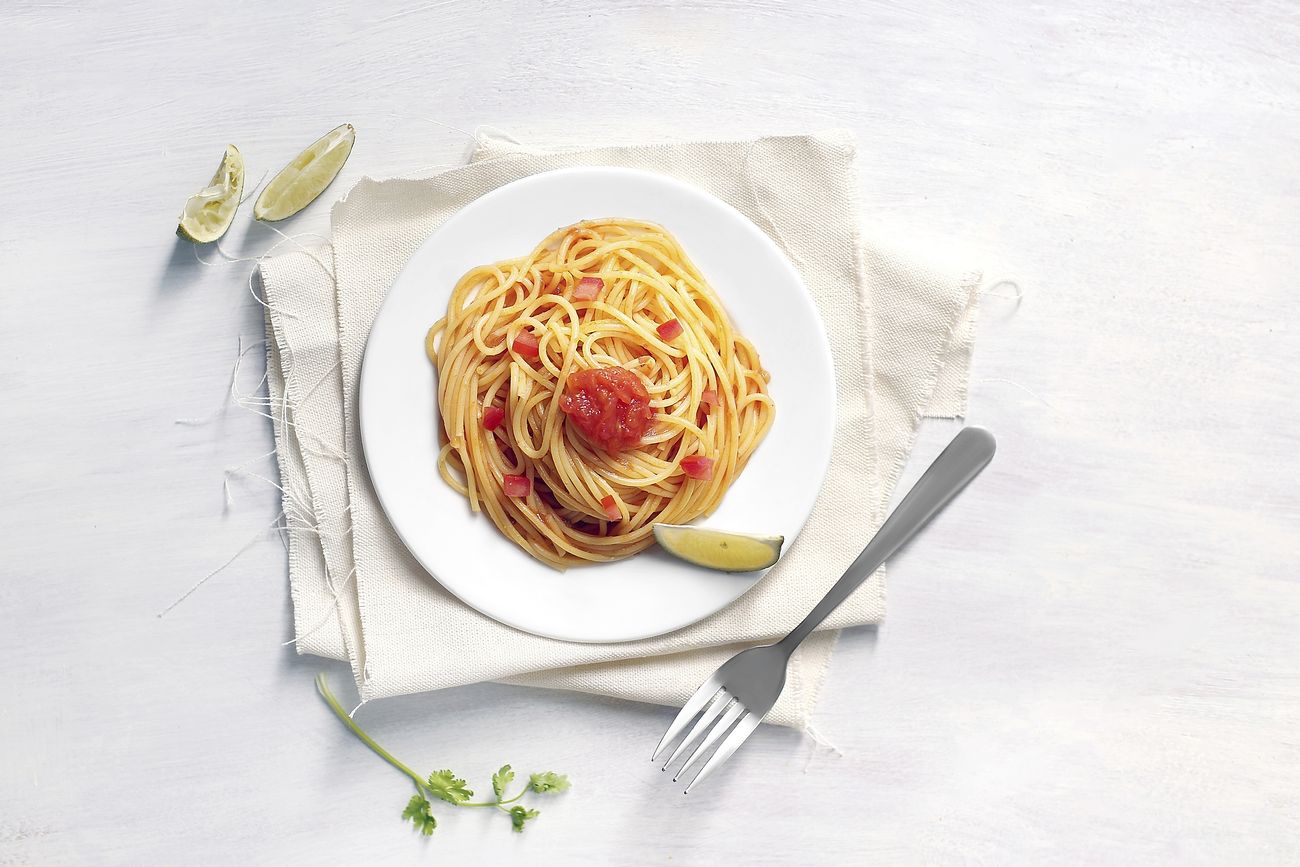
Photo by Dana Tentis on Pexels.com Ingredients:
– 8 oz. spaghetti
– 1 can diced tomatoes
– 1 onion, chopped
– 2 cloves garlic, minced
– 2 cups chicken or vegetable broth
– 1 tsp. dried basil
– 1 tsp. dried oregano
– Salt and pepper to taste
Instructions:
1. In a large pot, sauté onion and garlic until soft.
2. Add the diced tomatoes, pasta, broth, basil, oregano, salt, and pepper.
3. Bring to a boil and simmer for 10-12 minutes, stirring occasionally.
4. Serve hot with grated parmesan cheese.
Recipe 2: Sheet Pan Chicken Fajitas

Chicken fajitas in a Mexican restaurant by Jakub Kapusnak is licensed under CC-CC0 1.0 Ingredients:
– 1 lb. chicken breast, sliced
– 1 red bell pepper, sliced
– 1 green bell pepper, sliced
– 1 onion, sliced
– 2 tbsp. olive oil
– 1 tsp. chili powder
– 1 tsp. cumin
– Salt and pepper to taste
– Flour tortillas, for serving
Instructions:
1. Preheat oven to 400°F.
2. Toss chicken, peppers, and onions in olive oil, chili powder, cumin, salt, and pepper.
3. Spread out on a sheet pan and bake for 20-25 minutes, stirring halfway through.
4. Serve hot with warm tortillas.
Recipe 3: Baked Salmon with Lemon and Garlic

Ingredients:
– 4 salmon fillets
– 1 lemon, sliced
– 4 cloves garlic, minced
– 2 tbsp. olive oil
– Salt and pepper to taste
Instructions:
1. Preheat oven to 375°F.
2. Place salmon fillets in a baking dish.
3. Top with lemon slices and minced garlic.
4. Drizzle with olive oil and sprinkle with salt and pepper.
5. Bake for 15-20 minutes, or until salmon is cooked through.
6. Serve hot with steamed vegetables.
Recipe 4: Slow Cooker Beef Stew

Photo by Roy Sloan on Pexels.com Ingredients:
– 2 lbs. beef stew meat
– 1 onion, chopped
– 3 carrots, peeled and chopped
– 3 potatoes, peeled and chopped
– 2 cups beef broth
– 1 tsp. dried thyme
– Salt and pepper to taste
Instructions:
1. Place beef, onion, carrots, and potatoes in a slow cooker.
2. Add beef broth, thyme, salt, and pepper.
3. Cover and cook on low for 6-8 hours, or until beef is tender.
4. Serve hot with crusty bread.
Recipe 5: Stir-Fry Vegetables with Rice

Ingredients:
– 2 cups cooked rice
– 1 cup mixed vegetables (broccoli, carrots, snow peas)
– 2 tbsp. soy sauce
– 1 tsp. honey
– 1 tsp. sesame oil
– Salt and pepper to taste
Instructions:
1. Heat a wok or large skillet over high heat.
2. Add vegetables and stir-fry for 2-3 minutes, or until tender.
3. In a small bowl, whisk together soy sauce, honey, sesame oil, salt, and pepper.
4. Add cooked rice and sauce to the wok and stir-fry for 1-2 minutes.
5. Serve hot.
With these quick and easy dinner recipes, you can have a delicious and healthy meal on the table in no time. These recipes are perfect for busy weeknights when you don’t have a lot of time to cook. Try them out and enjoy a stress-free dinner with your family.

 Coffee IEPS Chaos